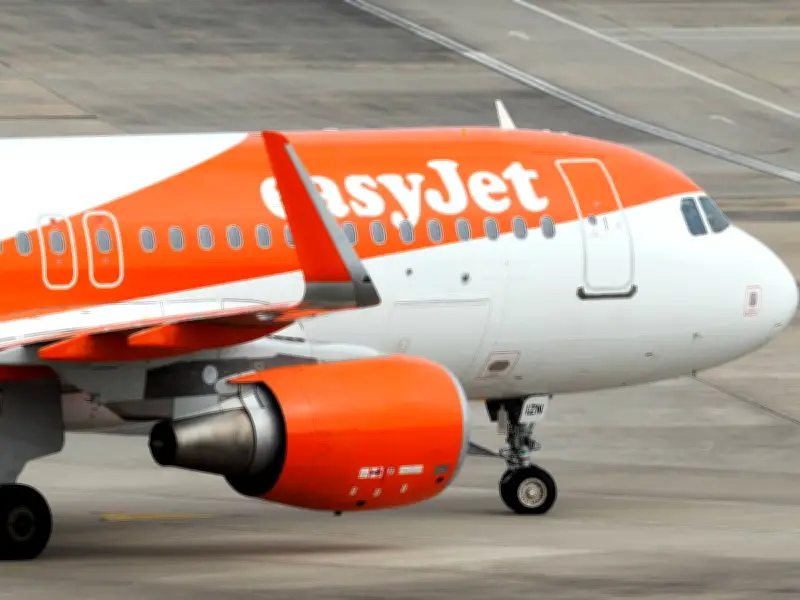
An easyJet flight from Manchester Airport was forced to make an urgent diversion to Newcastle on Tuesday, July 28, after a passenger experienced a medical emergency shortly after takeoff. The flight, EZY2237, had departed Manchester bound for Copenhagen but was rerouted to Newcastle International Airport to ensure the passenger received immediate care.
Details of the Diversion
The aircraft took off at its scheduled time from Manchester, but within a short period, the crew identified a need for urgent medical attention for one of the passengers. The pilot made the decision to divert to Newcastle, where emergency services were waiting on the ground. According to Flightradar data, the plane landed safely at Newcastle, and medical personnel boarded to assess and assist the affected individual.
An easyJet spokesperson confirmed the incident: "Flight EZY2237 from Manchester to Copenhagen yesterday diverted to Newcastle, due to a customer onboard requiring urgent medical attention. The customer was met by medical services on arrival and the flight continued to Copenhagen. The safety and wellbeing of our customers and crew is always easyJet's highest priority."
Impact on Passengers and Flight Schedule
After the passenger was transferred to medical care, the flight resumed its journey to Copenhagen. While the diversion caused a delay, easyJet ensured that the remaining passengers could continue to their destination without further disruption. The airline did not specify the nature of the medical emergency but emphasized that such incidents are handled with the utmost priority.
Medical diversions are not uncommon in aviation, with airlines often trained to handle in-flight emergencies. According to studies, medical emergencies occur on roughly one in every 600 flights, with heart attacks, seizures, and severe allergic reactions being among the most common causes. In this case, quick action by the crew and coordination with ground services ensured a swift response.
EasyJet's Safety Record
easyJet operates over 1,000 flights daily across Europe and has a strong safety record. The airline conducts regular training for cabin crew to manage medical situations, including the use of onboard medical kits and communication with ground-based medical advisors. The diversion to Newcastle was chosen due to its proximity to Manchester and its capability to handle medical emergencies efficiently.