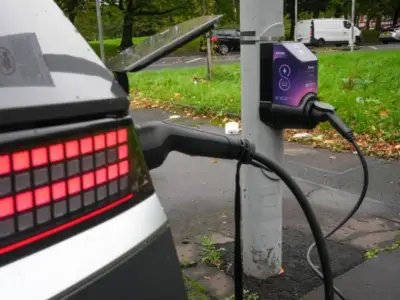
Drivers making the switch to electric vehicles could save at least £20 every 200 miles, according to the latest AA EV Readiness Index. Rising fuel costs have triggered a dramatic increase in electric car interest, with motorists now more concerned about filling-up expenses than the range capabilities of EVs.
Pump Anxiety Replaces Range Anxiety
The conventional worry about 'range anxiety' is being replaced by 'pump anxiety' as fuel costs surge sharply following the Iran conflict. Enquiries for used electric vehicles on the AA Cars platform soared by 78% between March and May compared with the preceding three months, indicating drivers are seeking alternatives to unpredictable forecourt charges.
The AA's quarterly index revealed that the UK's preparedness to transition to electric vehicles increased from 53.8 to 58.8 during the second quarter of 2026, supported by expanding cost benefits for motorists who can charge at home.
Significant Savings for Home Chargers
Petrol costs hit 159.6p a litre at the end of May, nearly 20% higher than during the previous quarter covered by the index. Consequently, the AA discovered that motorists charging their EV at home can now travel for approximately 67% less per mile than drivers of equivalent petrol cars, up from a saving of 57% in the first quarter. The motoring organisation calculates that represents a saving of at least £20 for every 200 miles driven.
AA president Edmund King said: "Range anxiety has shifted to pump anxiety as global petrol and diesel prices have rocketed since the Iran conflict began. For years, some drivers have been put off EVs by real or perceived range anxiety. But this latest Index suggests the bigger concern for many households is becoming pump anxiety. When global fuel prices rise sharply, drivers feel it immediately at the forecourt. EV drivers, particularly those with access to home charging, have been better insulated from that volatility. That is now showing up in the used car market, where searches for electric vehicles on AA Cars have risen by more than 75% in the last three months."
Used EV Market Surges
The surge towards electric vehicles seems to be focused on the second-hand sector, with purchasers seeking out older and more budget-friendly options. The most popular used EVs searched for on AA Cars included the Nissan Leaf, Tesla Model 3 and Kia Niro, all of which have been available for over seven years. Nevertheless, the AA cautioned that substantial barriers persist before electric cars become the standard choice for most families.
While operating expenses remain appealing, the initial cost of many new EVs continues to exceed that of comparable petrol vehicles. The findings also revealed that used EVs, which were approximately 10% less expensive than petrol alternatives in the first quarter, had become 3% costlier by the second quarter as demand grew.
Public Charging Challenges
Public charging expenses continue to be a major concern. While the difference has reduced as petrol prices increased, the AA discovered that utilising ultra-rapid public chargers remained approximately 15% more costly per mile than operating a petrol vehicle. This contrasts with 35% more expensive in the preceding quarter. The research highlights an increasing disparity between motorists able to charge at home and take advantage of cheaper electricity tariffs, and those dependent on the public charging infrastructure.
Mr King commented: "The used EV market is becoming a critical part of the transition. Drivers are not only looking at new technology; they are looking for value, familiarity and lower running costs. But the benefits are still uneven. Drivers without driveways or access to cheaper overnight tariffs are not getting the same savings. Unless public charging becomes more affordable and accessible, the EV transition risks becoming a two-speed market."
Infrastructure and Reliability
The AA's data reveals the UK's charging infrastructure continues to grow, with 121,262 charging points currently installed – approximately 40% of the Government's objective of 300,000 chargers by 2030. Simultaneously, reliability issues appear to be diminishing. Running out of charge represented just 1.2% of AA EV call-outs during the quarter, down from 1.5% previously, while 88.4% of EV breakdowns were resolved at the roadside compared with 84.6% for petrol and diesel vehicles.
The findings indicate the recent fuel price surge could deliver a temporary increase in electric vehicle interest, though the AA warned that enthusiasm might diminish should global oil markets settle. Nevertheless, it suggests numerous drivers may have been permanently alerted to the economic uncertainties of depending on petrol and diesel, potentially transforming purchasing patterns for years ahead.