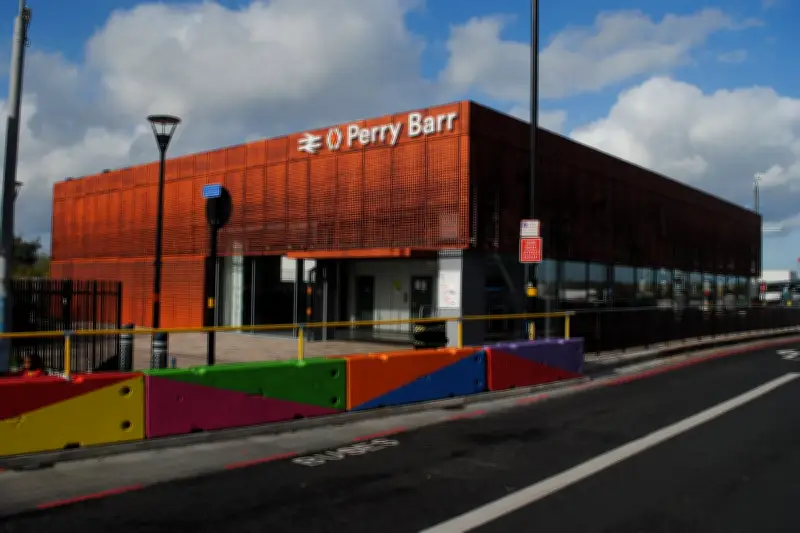
Train services between Walsall and Wolverhampton were disrupted on [date] after overhead wires were damaged in the Perry Barr area. The fault affected multiple routes, leading to cancellations, delays, and revised schedules for passengers travelling through the West Midlands.
Impact on services
According to National Rail, the damage to the overhead electric wires meant that trains running between Walsall and Wolverhampton were unable to operate normally. Services on the affected routes were either cancelled, delayed by up to 30 minutes, or revised to run between Birmingham New Street and Walsall only.
The disruption also had knock-on effects on other lines, with some cross-city services diverted or terminated early. Passengers were advised to check their journey before setting off, as the situation was expected to continue for several hours while engineers carried out repairs.
Repair work and advice
Network Rail engineers were dispatched to the site to assess the damage and begin repair work. The exact cause of the damage has not been confirmed, but it was understood to be related to the overhead line equipment that powers electric trains on the route.
A spokesperson for National Rail said: "We apologise for the disruption caused by the damaged overhead wires in Perry Barr. Our teams are working hard to fix the issue as quickly as possible, and we advise passengers to check live departures before travelling."
Passengers were also reminded that tickets would be accepted on alternative services, including buses, where applicable. However, no replacement bus service was confirmed at the time of writing.
Long-term impact
The disruption is a reminder of the fragility of the railway infrastructure in the West Midlands, which has seen repeated issues with overhead wires in recent years. The incident in Perry Barr is one of several similar faults that have caused significant delays for commuters in the region.
As of the latest update, services were expected to return to normal later in the day, but passengers were urged to allow extra time for their journeys. The incident highlights the need for continued investment in the rail network to prevent such disruptions in the future.