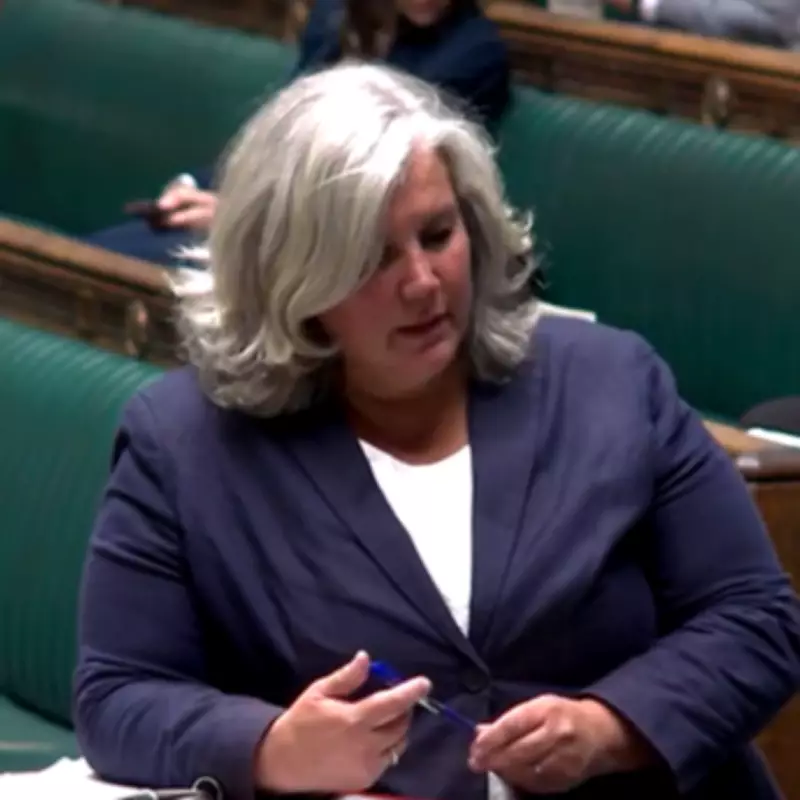
Transport Secretary Heidi Alexander has insisted that Birmingham is already experiencing 'real change' despite a major delay to the HS2 high-speed rail project being confirmed today. The government has announced that the first trains between Birmingham Curzon Street and London will not start until between 2036 and 2039, a significant setback from the original target of 2029-2033.
New Timelines and Costs
Speaking in the House of Commons, Alexander outlined the revised delivery timeframes for the troubled project, which has been plagued by delays and rising costs. The full route from London Euston to Birmingham Curzon Street, including a connection to the West Coast Main Line, is now expected between 2040 and 2043. The government also confirmed that the project is estimated to cost between £87.7 billion and £102.7 billion, with trains running at 320km/h (200mph) – slower than originally planned but in line with European and Japanese high-speed services. The reduced speed is expected to save up to £2.5 billion and cut at least a year from the delivery time.
Real Change in Birmingham
Despite the delays, Alexander argued that HS2 is already bringing positive change to Birmingham. 'Birmingham's skyline is changing before our eyes with new film studios, a Sports Quarter, and housing all being built around the new Curzon Street Station,' she said. 'This is national renewal in action.' She acknowledged that the announcement would be met with cynicism and anger but expressed pride and conviction that the project is finally seeing real delivery.
Project Reset and Recovery
Alexander highlighted the work of HS2 Ltd CEO Mark Wild, whose ongoing reset has already delivered six major construction milestones ahead of schedule. She has convened the team that delivered the Elizabeth Line to bring expertise to the project. Shadow transport minister Jerome Mayhew accepted that HS2's early years were beset with issues but noted that Wild's appointment under the previous government had put the organisation in better shape.
Mayoral Development Corporation
The announcement coincided with the launch of Britain's largest Mayoral Development Corporation (MDC) by West Midlands Mayor Richard Parker, aimed at accelerating the £11 billion regeneration of East Birmingham. The MDC will combine powers including land acquisition, planning, business tax incentives, and infrastructure funding to cut red tape and build investor confidence. Parker said the initiative would support major projects like the Sports Quarter, Smithfield, and the Knowledge Quarter.
Addressing scepticism about the scale of the ambitions, Parker emphasised the partnership between public and private sectors. 'My role is to ensure the private sector gets the support it needs to deliver those more quickly and remove every barrier we can,' he said. The MDC is backed by significant public funding, including £400 million for the Metro.
Joanne Roney, managing director of Birmingham City Council, acknowledged that large projects often face unforeseen delays and complexities. 'By creating this MDC, that is the confidence that both investors and businesses have, as well as residents, that we are now in partnership with dedicated resources and capacity,' she said. 'Once they're created, they really can get a momentum behind them.'