Birmingham Train Passengers Urged to Engage in Small Talk as Lifesaving Interactions Increase
A concerning new statistic has emerged from train stations across the West Midlands, prompting a renewed call for passengers to connect with one another during their journeys. Samaritans has relaunched its Small Talk Saves Lives campaign following a significant rise in lifesaving interactions recorded in the region.
Rising Numbers of Lifesaving Encounters
In the 2024/25 period, Samaritans documented a total of 115 lifesaving interactions at stations in the West Midlands. This marks a notable increase from 88 such incidents recorded four years earlier. The data underscores the critical importance of community awareness and simple human connection in public spaces.
Railway stations are often bustling hubs of activity, with many individuals passing through daily without pausing to observe their surroundings. However, this new statistic highlights the vital role that everyday conversations can play in preventing tragedies.
Launch of the Ticket to Talk Campaign
The release of this data coincides with the relaunch of the partnership campaign between Samaritans, Network Rail, and the British Transport Police. Titled Small Talk Saves Lives, the initiative was unveiled at London Waterloo station through a dramatic display called Ticket to Talk.
This installation features 2,284 tickets, each representing a small, everyday phrase used across the rail network in the past year to save a life. The visual representation aims to emphasize the power of simple words in critical moments.
Public Attitudes Towards Small Talk
A survey commissioned by Samaritans reveals insightful public perceptions regarding small talk. Over three-quarters of Britons, specifically 78%, admitted to having avoided small talk in the past. Despite this reluctance, 59% of respondents stated they would appreciate kind words from a stranger if they were visibly upset.
Furthermore, two-thirds of those surveyed, equating to 68%, indicated they would be more inclined to engage in small talk with a stranger if they knew it could make a positive impact. These findings suggest a gap between intention and action that the campaign seeks to bridge.
Official Statements and Encouragement
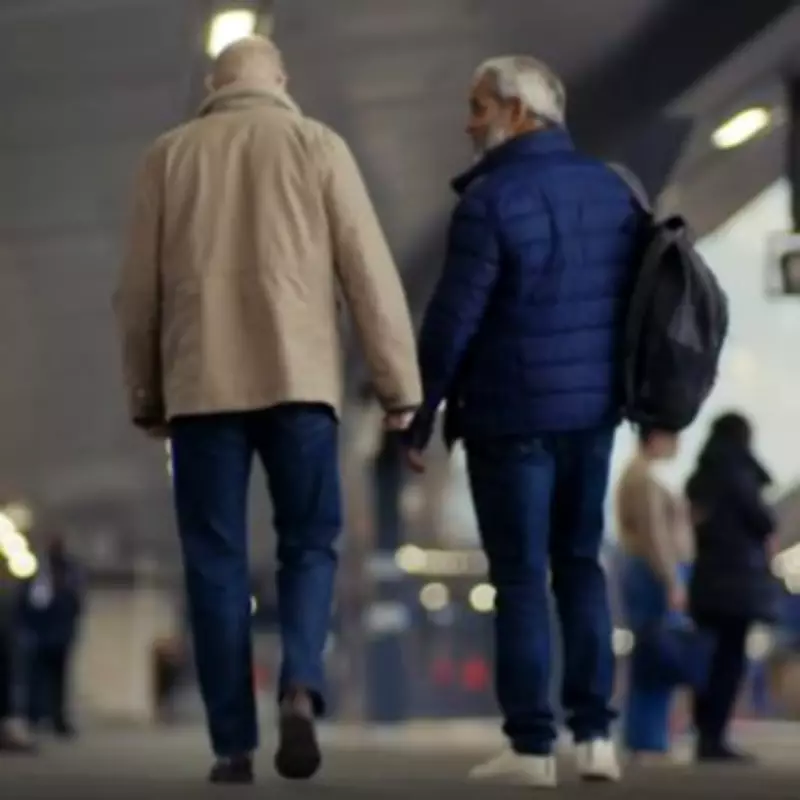
Dave Brown, Head of Rail at Samaritans, emphasized the importance of taking action. We know that people are often worried about saying the wrong thing to someone who is visibly upset, but it's always better to say something than nothing at all, he stated. A brief chat, about the weather, or asking someone where they can grab a coffee, can be all it takes to interrupt those negative thoughts. Your words are a life-saving kit.
Louise McNally, principal suicide and trespass prevention specialist at Network Rail, added, Ticket to Talk shines a light on the power of everyday conversation, and its ability to make a huge impact on a stranger. Millions of people pass through the rail network each day, and every single one of them could ask a simple question or say a friendly comment that could make all the difference.
Superintendent Sam Painter, British Transport Police lead for Protecting Vulnerable People, reinforced the message. The Small Talk Saves Lives campaign reinforces the message that anyone can play a role in supporting vulnerable people, even through something as simple as a little small talk, he said. We encourage anyone who sees a person they believe is in distress on the railway network to report it to us by texting 61016 or calling 999 in an emergency.
Campaign Background and Resources
The Small Talk Saves Lives campaign has been running since 2017 through the partnership of Samaritans, Network Rail, and British Transport Police. It encourages the public to initiate small talk with individuals who may appear distressed, as such interactions can serve as crucial interventions.
For additional information and practical tips, individuals are directed to visit Samaritans.org/smalltalksaveslives or participate in the conversation on social media using the hashtag #SmallTalkSavesLives. The initiative aims to foster a culture of care and vigilance within the commuting community.