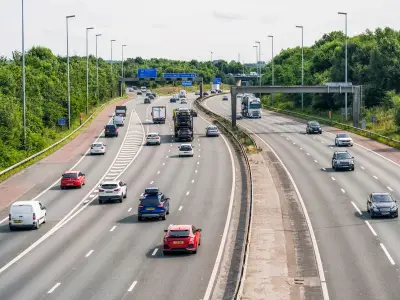
Rachel Reeves Confirms New £200 Charge for Drivers with Specific Car Models
Millions of drivers across the country are set to be hit by higher taxes starting from April, as the Government confirms an increase in vehicle excise duty rates. The standard rate for most cars will rise by £5 to £200, affecting the majority of vehicles registered after 2017.
Widespread Impact on Motorists
The increased charges will apply to most cars sold over the last nine years, meaning millions of households will need to budget for the additional expense. Letters detailing the new charges will be sent to affected households by the DVLA when it's time to renew their vehicle tax.
This represents a significant change for electric vehicle owners, who previously enjoyed tax exemptions but will now face the same £200 annual charge as other motorists. The new rules mark the end of free road tax for electric cars, with EV drivers beginning to pay the flat rate from April 2026.
Luxury Vehicle Surcharge Details
While brand new cars may benefit from lower initial tax rates, expensive vehicles valued over £50,000 will face an additional 'luxury' tax on top of the standard charge. According to motoring organisation the RAC, vehicles with an original list price exceeding £40,000 (or £50,000 for electric cars) may be liable for an extra £425 fee, bringing their total annual VED costs up to £620.
The exact amount each driver pays will depend on several factors:
- The year the vehicle was first registered
- The type of fuel the car uses
- The vehicle's tailpipe emissions
- Whether the car was first used before 2017
Government Implementation Timeline
Chancellor Rachel Reeves and the Government are expected to formally set out the new rates, which will come into effect from April. This announcement follows previous cost-of-living measures and represents a significant shift in vehicle taxation policy that will impact household budgets across the nation.
The changes reflect the Government's approach to modernizing vehicle taxation while ensuring all road users contribute to maintaining transport infrastructure, regardless of their vehicle's power source.