RAC Investigation Uncovers 'Pretty Concerning' Trend of Fading Road Markings
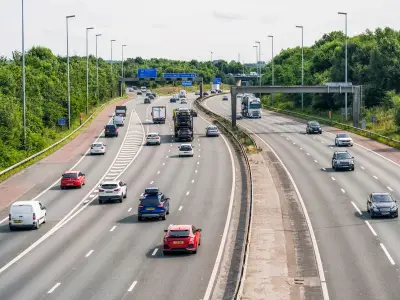
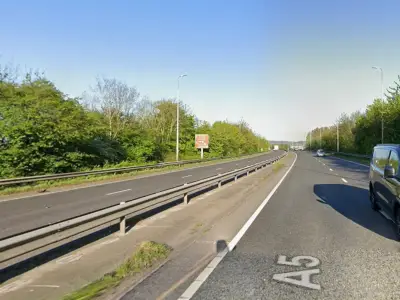
The RAC has issued a stark warning about a critical safety issue on England's roads, describing a "pretty concerning" trend where painted road markings are effectively "vanishing" across the country. This alarming discovery comes from a comprehensive investigation conducted by the motoring organization, which highlights how this deterioration is compromising driver safety on a daily basis.
Drivers Report Increased Danger Due to Faded Markings
According to the research, an overwhelming 92% of drivers believe that these fading road markings are actively "making driving more dangerous." Many motorists have reported that essential markings in their local areas have "completely disappeared," forcing them to guess their lane positions and navigate junctions with reduced clarity. This lack of visible guidance transforms routine journeys into hazardous experiences, increasing the risk of accidents and confusion.
The RAC spokesperson emphasized the severity of the issue in a recent social media video, stating: "Have you noticed it's harder to see where you're supposed to be on the road? We're not just talking about cosmetic wear and tear, but the vital road markings that drivers rely on every single day, fading away."
Critical Markings at Risk Include Lane Separators and Junction Guides
The investigation specifically identifies several types of markings that are deteriorating, including:
- Centre lines that separate oncoming traffic, crucial for preventing head-on collisions.
- Arrows that guide drivers through complex roundabouts, ensuring smooth traffic flow.
- Stop lines at junctions, which are fundamental for maintaining safety at intersections.
These elements are not mere decorations but essential components of road infrastructure designed to communicate rules and directions clearly to all road users.
RAC Calls for Government and Council Action to Rectify the Situation
The RAC is urging immediate action from both the Government and local councils to address this growing safety concern. Simon Williams, head of policy at the RAC, highlighted the urgency, noting that while the Government has recently published the country's first road safety strategy in over a decade, this specific issue must not be overlooked.
"We urge them to work with councils to rectify this situation," Williams stated. "Markings are painted onto the road for good reason - to keep drivers and other road users safe by clearly informing them of what they should and shouldn't be doing. Allowing these vital road markings to wear away puts drivers at unnecessary risk, and the dangers of them simply disappearing are simply too great to ignore."
The organization recommends a collaborative effort to repaint the markings that are hardest to see, ensuring that roads regain their clarity and safety for everyone. This call to action underscores the need for sustained investment in road maintenance to prevent further deterioration and protect public safety on England's highways and byways.