Rural Motorists to Bear Heavier Burden Under New Electric Vehicle Tax
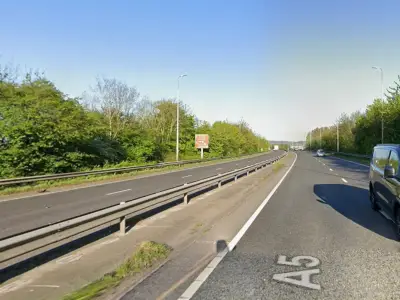
Drivers in rural areas of England are set to face substantially higher costs compared to their urban counterparts under the new mileage-based electric vehicle tax announced by Chancellor Rachel Reeves. Official analysis indicates that motorists in the south-west of England would pay nearly four times as much as those in London under Labour's proposed road charging system.
Regional Disparities in Tax Impact
The Labour Party Chancellor confirmed the introduction of a new 3p-per-mile road charge during the Autumn Budget presentation. However, detailed figures reveal significant geographical inequalities in how this tax will affect different communities across England.
South-west England motorists will pay an average of £110.25 extra annually due to the mileage charge, making them the hardest hit region. The East Midlands follows closely behind with an additional £105.09 per year on average. Those residing in smaller rural towns and villages near urban centers face the steepest individual bills, averaging £156.51 annually, while drivers in urban areas and cities would pay approximately £76.02 per year.
Industry Concerns About EV Adoption
Thom Groot, chief executive of The Electric Car Scheme, expressed serious concerns about how this new tax might impact electric vehicle adoption rates. The leasing group conducted the analysis that revealed these regional disparities.
"This tax could discourage EV take-up just as the government is trying to transition ownership from early adopters to the mass market," Groot warned. "There are still many people in the mass market who remain very sceptical about electric vehicles, so anything that gives people a reason not to purchase one creates yet another barrier to adoption."
Despite these concerns, Groot emphasized that electric vehicles would continue to offer significant advantages. "Even when this tax comes into effect, the major savings and environmental benefits of going electric remain firmly in place. Electric vehicles will continue to be the most practical and future-proof choice for UK drivers," he added.
Government Justification for the New System
A government spokesperson defended the new charging structure, drawing parallels with the existing fuel duty system. "Similar to fuel duty, those who drive more will pay more under this new approach," the spokesperson explained.
"Currently, electric vehicle drivers pay no fuel duty whatsoever, while petrol drivers pay around £480 annually. That situation is fundamentally unfair. Under the new system, electric vehicles will pay approximately half the duty of petrol-powered cars, maintaining their position as the cheaper and greener transportation choice."
The spokesperson's comments highlight the government's attempt to create a more balanced taxation system as the automotive landscape shifts toward electrification, while addressing concerns about revenue from traditional fuel duties declining as more drivers transition to electric vehicles.