West Midlands Roads Reach Breaking Point as Pothole Problems Escalate
Drivers across Birmingham and the Black Country are expressing mounting frustration as the region's road network deteriorates into what many describe as an obstacle course. The daily commute has transformed from routine travel into a hazardous navigation challenge, with potholes multiplying faster than authorities can address them.
Barnhurst Lane Closure Highlights Systemic Issues
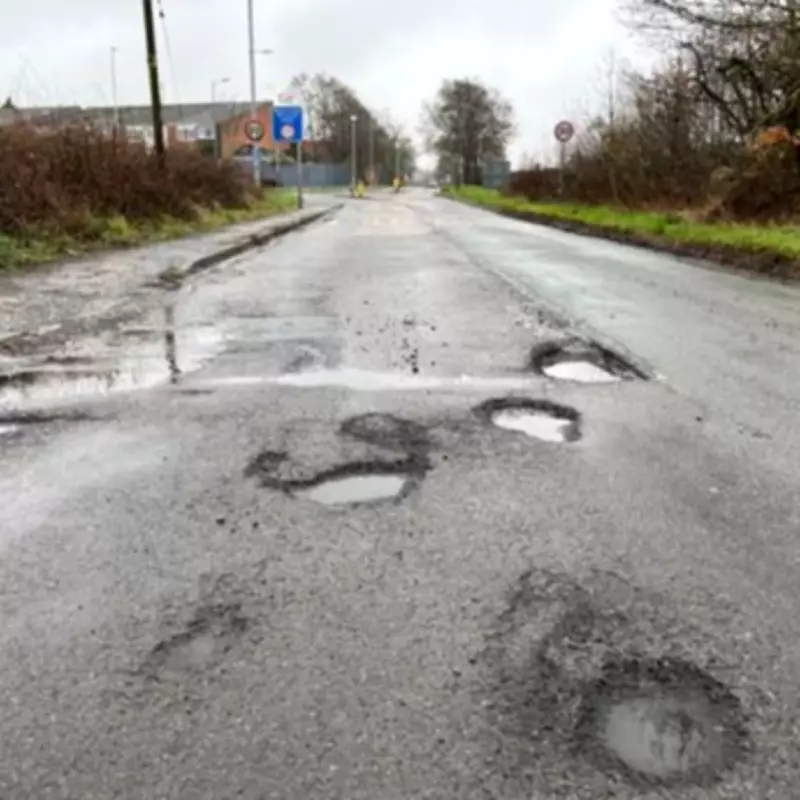
The recent closure of Barnhurst Lane in Staffordshire serves as a stark example of the broader crisis. This road has been shut for an entire week while crews attempt to address numerous potholes, cracks, and sections of crumbling asphalt that local residents have rightly labeled dangerous. Rather than welcoming these temporary repairs, many community members are demanding comprehensive resurfacing instead of patchwork solutions that typically fail within a single season.
This situation represents just the visible portion of a much larger problem. Local councils consistently cite stretched resources and growing backlogs exacerbated by successive wet winters and freeze-thaw cycles. However, from the perspective of everyday motorists, promises of "we're fixing it next week" frequently evolve into "we fixed it last year—and it's back again."
Safety Concerns and Financial Impacts
The consequences extend far beyond mere inconvenience. Across community forums throughout the West Midlands, residents humorously suggest needing off-road vehicles for basic commutes, while others describe road surfaces resembling lunar landscapes. The reality includes numerous reports of damaged tyres and suspension systems, with many attributing these problems to councils prioritizing temporary hole-filling over proper resurfacing.
National data supports these local observations. RAC breakdown statistics reveal a significant 15 percent increase in pothole-related call-outs, averaging 71 incidents daily across the UK. Transportation experts emphasize that wet weather conditions exacerbate these issues on roads lacking preventative maintenance measures.
Drivers regularly encounter tell-tale signs of deterioration: tarmac swelling during rainfall, deep crevices concealed by shadows, and washed-out gravel edges that transform minor bumps into wheel-damaging impacts. These conditions represent genuine safety hazards that threaten vehicles, passengers, and frequently, people's livelihoods.
Accountability and Compensation Challenges
Despite the daily realities faced by motorists, achieving accountability remains frustratingly difficult. Many drivers report that unless a specific pothole has been officially documented before causing damage, councils typically refuse compensation claims—even when vehicles suffer significant harm from hidden road defects.
This situation creates particular frustration among taxpayers who contribute both road tax and council tax, yet receive responses citing insufficient budgets or claims that particular potholes don't meet severity thresholds for immediate attention when reporting dangerous road conditions.
Calls for Structural Solutions
Some political figures, including representatives in Dudley, have proposed appointing a dedicated "pothole czar" to coordinate repair efforts and maintain accountability for highways teams. However, critics argue that simply creating a new position represents insufficient action.
What's truly required, according to transportation experts and frustrated residents alike, is a comprehensive long-term vision for road maintenance that recognizes potholes as symptoms of deeper infrastructure problems rather than isolated issues. The RAC has noted that an excessive focus on filling individual holes risks neglecting essential preventative work that could prevent their formation entirely.
Addressing surface damage without simultaneously improving drainage systems, strengthening substructures, or replacing failed materials ultimately proves both futile and economically wasteful over extended periods.
Demanding Substantive Change
West Midlands drivers require more than public relations announcements or temporary hot-patch solutions. They need a serious, properly funded highways strategy that treats road networks as vital infrastructure rather than afterthoughts. This demands honesty from policymakers regarding the true costs of neglect and leadership committed to long-term solutions over politically expedient quick fixes.
Every time a parent swerves to avoid a crater, every time a cyclist encounters a poorly repaired ditch, and every time drivers hear that dreaded impact sound fearing suspension damage, they're reminded that potholes represent more than mere cracks in pavement—they signify cracks in the social contract between authorities and the public. The region deserves better infrastructure management before roads become completely impassable.