Global Energy Watchdog Calls for UK Remote Work to Combat Fuel Shortages
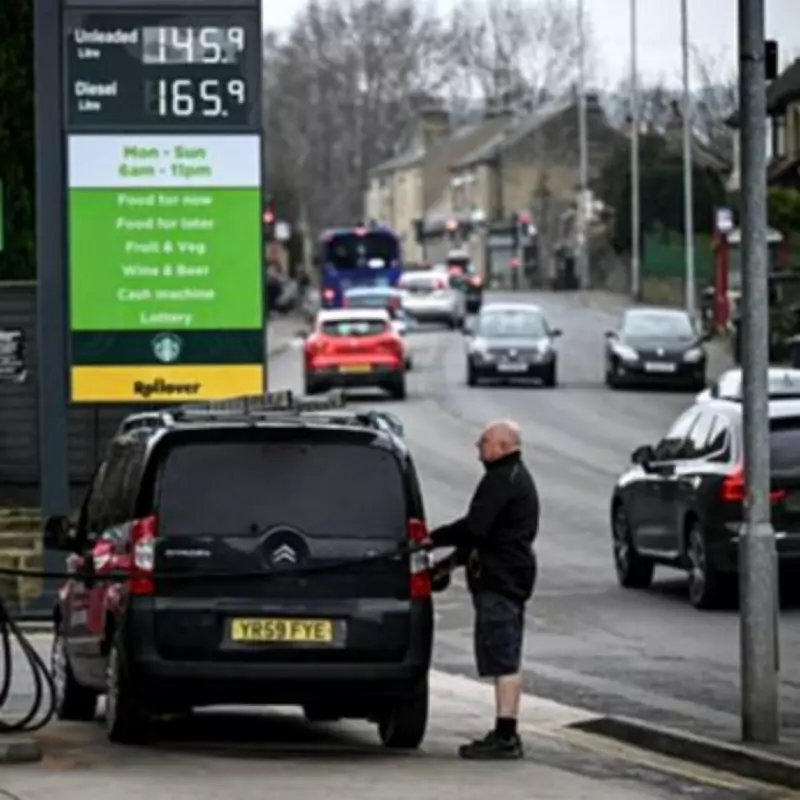
The International Energy Agency has issued urgent guidance to households across the United Kingdom, advising them to work from home wherever possible as global oil shortages continue to drive fuel prices to unprecedented levels. This recommendation forms part of a comprehensive ten-point emergency plan designed to mitigate the economic impact of what experts describe as the most significant supply disruption in oil market history.
Immediate Measures to Address Soaring Fuel Costs
In response to mounting concerns about worldwide fuel availability, the IEA has outlined specific actions that consumers, businesses, and governments should implement immediately. Beyond the primary recommendation for remote work, the agency suggests practical household adjustments such as using microwaves instead of conventional ovens to reduce energy consumption. For motorists, the guidance includes adopting more fuel-efficient driving habits and considering alternative transportation methods.
The energy crisis stems primarily from ongoing conflict in the Middle East, which has severely disrupted global oil supplies. Fatih Birol, Executive Director of the International Energy Agency, emphasized the severity of the situation: "The war in the Middle East is creating a major energy crisis, including the largest supply disruption in the history of the global oil market. In the absence of a swift resolution, the impacts on energy markets and economies are set to become more and more severe."
Government-Level Recommendations and Political Response
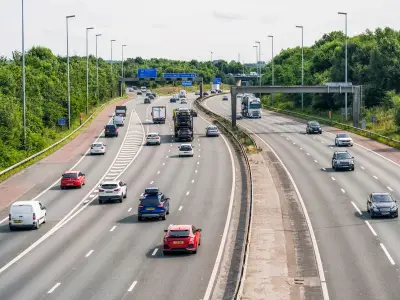
The IEA's emergency measures extend beyond individual actions to include specific policy recommendations for member governments, including the United Kingdom. The agency has advised the Labour Party government to consider reducing motorway speed limits by approximately 10 miles per hour to decrease national fuel consumption. This proposal comes as government officials explore additional interventions to protect consumers from escalating energy costs.
Richard Walker, a Labour peer serving as the prime minister's cost of living champion and chair of Iceland supermarkets, has publicly called for temporary profit caps on energy and petroleum companies. "I have asked the government to consider a temporary profit cap to stop producers and retailers exploiting the crisis to make windfall profits at the expense of consumers," Walker stated in a Sunday Times column. He clarified his position: "As executive chairman of a retailer, I have no problem with profit. It's what allows businesses to invest, employ people and pay tax. But I do have a big problem with profiteering, especially when families are under real pressure."
Broader Implications for Households and Businesses
The current fuel crisis represents more than just temporary inconvenience—it signals fundamental challenges in global energy security. Birol expressed confidence that the IEA's "menu of immediate and concrete measures" could "shelter consumers from the impacts of this crisis" and prove valuable to governments worldwide during these challenging economic times. As households across the UK adjust to higher fuel costs and potential shortages, the emphasis on remote work and energy conservation measures may become increasingly important components of daily life until international oil markets stabilize.