Millions of UK Drivers Face £100 Penalties for Unintentional Highway Code Breaches
An estimated 10 million drivers across the United Kingdom are risking substantial £100 fines after unintentionally violating a critical Highway Code regulation. This widespread issue is significantly impacting road safety, with millions of motorists admitting their driving manners deteriorate under pressure.
The Alarming Statistics Behind Dangerous Driving Behaviors
According to recent research, approximately 4.9 million drivers confess that their courtesy behind the wheel slips when they feel pressured, particularly when running late. Furthermore, 10 million motorists acknowledge they sometimes follow vehicles too closely without realizing it, while 2.4 million drivers admit deliberately closing gaps to encourage slower vehicles to accelerate.
The primary trigger for these dangerous behaviors is running late, cited by 27% of drivers, followed closely by fatigue. Nationally, one in ten drivers rate their own road etiquette as poor, highlighting a substantial need for behavioral change on UK roads.
Expert Warnings About Tailgating Dangers
Colin Stevenson, Road Safety Information Lead at National Highways, emphasized the serious risks associated with tailgating. "Tailgating may seem harmless, but it can put everyone on the road at risk," Stevenson cautioned. "Following too closely means there is less time to react and stop safely if the vehicle in front slows down or stops."
Stevenson advocated for maintaining safe distances, noting that "leaving a safe gap makes driving safer, keeps traffic moving more smoothly, and is a simple courtesy that helps everyone feel more relaxed behind the wheel." He recommended the two-second rule as a practical guideline, suggesting this should be doubled during wet conditions or reduced visibility.
Psychological Factors Behind Aggressive Driving
Dr Neale Kinnear, a behavioral psychologist specializing in driving behaviors, explained the psychological mechanisms that lead to dangerous following distances. "Most of us see ourselves as considerate people, but driving is a unique context," Dr Kinnear observed. "It's goal-focused and often time-pressured. When we're running late or behind other traffic, frustration can build. In that moment, closing the gap can feel like taking control or making progress."
Dr Kinnear challenged the perceived benefits of aggressive driving, stating: "The reality is different. Drivers tend to overestimate how much time, if any, they save by pushing on. As frustration rises, perspective on the importance of keeping a safe margin, and the impact it has on others can be lost."
The psychologist emphasized that "leaving space isn't just polite, it's practical. A simple two-second gap keeps traffic flowing more smoothly, reduces stress, and makes the road a better place for everyone."
Highway Code Recommendations for Safe Driving
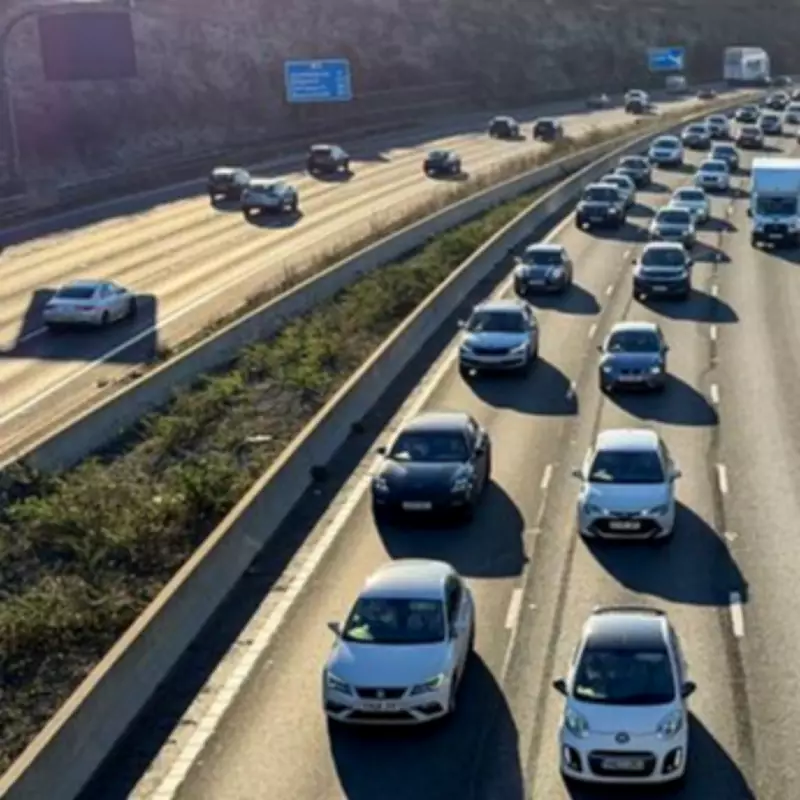
The Highway Code provides clear guidance for maintaining safe distances on UK roads. Drivers are advised to leave at least a two-second gap from the vehicle ahead on faster moving roads. This buffer allows sufficient time for cognitive processing and safe stopping, potentially preventing accidents and reducing the likelihood of receiving substantial fines.
With millions of drivers potentially facing penalties and increased accident risks, road safety organizations are urging motorists to reconsider their following distances and adopt more courteous, safer driving practices across the United Kingdom.