More than 25,000 drivers have been issued speeding fines on Birmingham's most notorious road for dangerous driving since the start of 2025, with enforcement cameras catching an average of over 1,000 motorists per month.
New John Street West: Birmingham's Top Speeding Hotspot
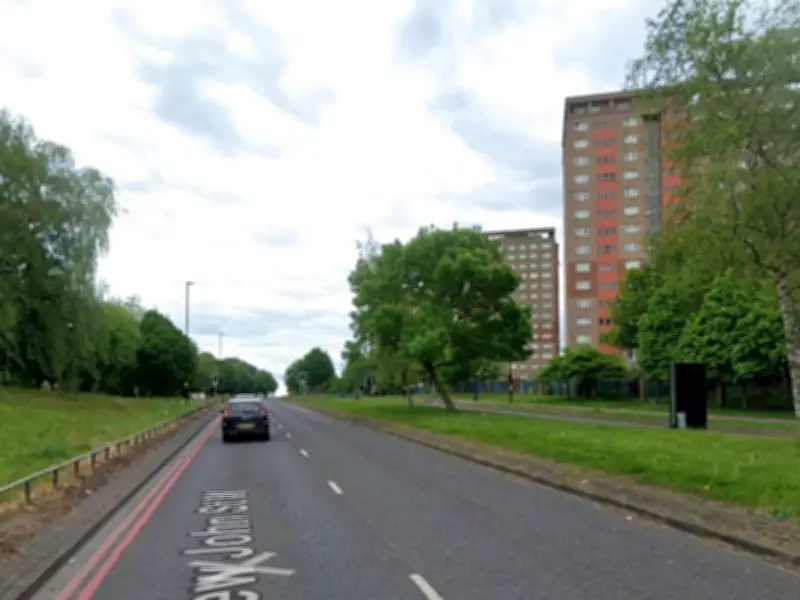
The A4540 New John Street West, running from Lucas Circus to Dartmouth Circus and the Aston Expressway north of the city centre, has become the city's leading location for speed offences. Data obtained by BirminghamLive through freedom of information requests to the city council reveals that over 18,500 motorists were caught speeding on this route in 2025 alone. In the first seven months of 2026, a further 7,000 offences have been recorded, continuing the trend at a rate of over 1,000 per month.
Average speed cameras operate along the route in both directions, and their effectiveness is underscored by the sheer volume of fines issued. The figures serve as a clear warning to drivers who regularly use this road for commuting, school runs, or shopping trips.
Second Worst Road Also Sees High Enforcement
Another major speeding hotspot in Birmingham is the Lee Bank Middleway and Belgrave Middleway section, where close to 20,000 speeding offences have been recorded since the start of 2025. These two routes are by far the most common locations for speeding detections across the city.
The data highlights a significant increase in speeding fines over the past two years, coinciding with stepped-up enforcement measures by Birmingham City Council. The council has been rolling out additional average speed cameras and recently reduced speed limits on several major roads to 30 miles per hour, aiming to improve road safety.
Impact and Council Actions
The enforcement crackdown comes as part of broader efforts to reduce dangerous driving and accidents. The average speed camera system, which measures a vehicle's speed over a distance rather than at a single point, has proven effective in catching even minor speeders. The council's data suggests that these cameras are deterring some drivers, but the high number of offences indicates that many still ignore the limits.
With over 1,000 motorists fined every month on New John Street West alone, the financial impact is substantial—each fine carries a minimum penalty of £100 and three penalty points. For repeat offenders, the consequences can include higher fines, driving bans, and increased insurance premiums.
The council has not announced specific plans for further enforcement on these roads, but the rollout of more average speed cameras across the city suggests continued vigilance. Drivers using Birmingham's roads should expect consistent monitoring and swift penalties for speeding.