Motorists Push Back Against Widespread 20mph Speed Limit Proposals
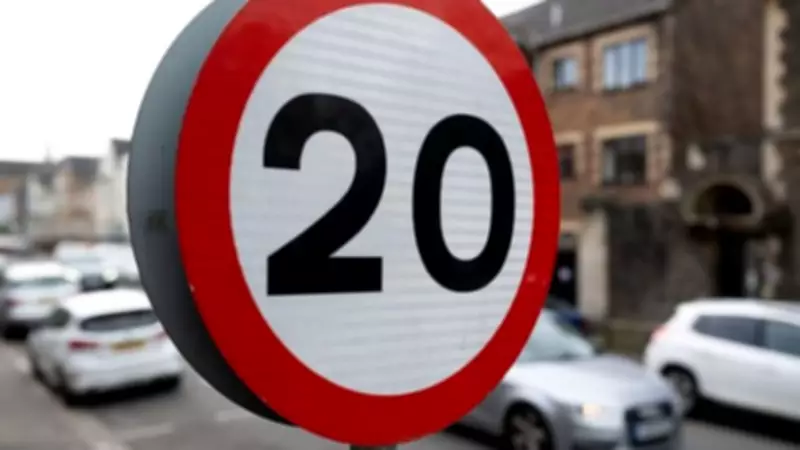
Fresh initiatives to expand 20mph speed restrictions across the United Kingdom are encountering significant resistance from drivers, according to newly released data. A comprehensive study conducted by insurance comparison specialists at Quotezone.co.uk has uncovered that 66% of British motorists are opposed to reducing the limit on major routes currently designated as 30mph zones.
Public Sentiment Clashes with Safety Objectives
The research, which surveyed 1,000 adults across Britain, further highlighted that 67% of respondents believe these reduced speed limits are simply too slow for contemporary travel needs. These findings emerge at a critical juncture, as local authorities throughout the nation deliberate on extending low-speed zones to enhance urban safety and decrease accident rates.
This debate intensifies following the UK Government's introduction last month of a new road safety charter, which aims to reduce road fatalities and serious injuries by 65% before 2035. The strategy includes updated guidance for local councils regarding speed limit establishment, suggesting that the traditional 30mph urban default may soon become obsolete.
Regional Implementation and Measurable Results
Wales has taken a pioneering role in this movement by implementing a default 20mph speed limit on residential streets, with Scotland and England now adopting similar approaches. Significant progress is evident in London, where over 50% of urban roads have already transitioned to the lower limit, while the North West region has converted approximately 45% of its network.
Despite the apparent friction between policy and public opinion, data from Wales demonstrates tangible safety benefits. During the first year of implementation, the lower speed limit resulted in approximately 100 fewer serious casualties. Additional research indicates that even a modest reduction of 1mph in average speed can decrease collision frequency by around 5%, as reported by Steven Smith on Wales Online.
Insurance Implications and Expert Commentary
As this transition continues to unfold, motorists are being cautioned to remain vigilant regarding new signage to avoid substantial fines and penalty points. Maintaining legal speeds is also crucial for preserving stable insurance premiums, as traffic violations frequently lead to increased policy costs.
Greg Wilson, car insurance specialist and CEO at Quotezone.co.uk, provided expert insight: "With changes to speed limits continuing to be discussed across the UK, our research suggests many motorists remain unconvinced about reducing key 30mph roads to 20mph, with concerns likely centred around journey times and practicality."
Wilson continued: "That said, evidence from Wales, for example, shows that lower limits can improve road safety, with data from the first year of implementation showing fewer people killed or seriously injured. Ultimately, decisions around speed limits sit with local authorities, and they must balance public sentiment with safety outcomes, congestion and the needs of different road users when assessing what's appropriate for their communities."
He concluded with practical advice: "With lower limits appearing on more roads, it's important that drivers watch for signage and adapt their speed to make sure they stay safe and avoid fines. From an insurance perspective, any measure that successfully reduces collisions is positive news for premium prices. Fewer accidents could lead to fewer claims, and over time, that has the potential to ease the pressure on car insurance costs."