Drivers Urged to Fill Up at Night Amid Iran Conflict Fuel Price Surge
Motorists across the UK are being strongly advised to visit petrol stations during the early morning or late night hours this Tuesday, as escalating tensions in the Middle East continue to drive fuel prices upward. William Fletcher, MBE, CEO of Car.co.uk, has issued this urgent recommendation to help drivers maximize their fuel purchases during this period of economic uncertainty.
Expert Advice on Fuel Efficiency
William Fletcher explained the scientific reasoning behind his suggestion, emphasizing that filling up during the coldest parts of the day provides a tangible benefit. "Fuel expands in warmer temperatures," Fletcher stated. "So you're technically getting slightly more petrol or diesel for your money when it's cooler and more dense. This lesser-known advantage can make a real difference when prices are climbing."
The automotive expert specifically recommended that drivers plan their refueling for late evening or early morning hours when temperatures are typically at their lowest. This strategy allows consumers to obtain marginally more fuel volume for the same expenditure due to the increased density of cooler petroleum products.
Middle East Conflict Drives Oil Price Concerns
This advice comes as analysts warn that the ongoing conflict between the US-Israel alliance and Iran could potentially drive global oil prices to exceed $100 per barrel. The strategic Strait of Hormuz, a critical waterway for oil tanker traffic, has seen significant disruption following Iran's warnings to shipping vessels and insurance companies withdrawing coverage from the area.
Consultancy firm Wood Mackenzie has issued stark warnings about the certainty of higher oil and gas prices in the coming days. Alan Gelder, Senior Vice President of Refining, Chemicals and Oil Markets at Wood Mackenzie, provided context for the current situation: "The key question is when vessels will re-establish export flows through the Strait of Hormuz. Tanker rates and insurance will increase dramatically, but these costs represent only a small portion of the overall oil price impact if flows remain curtailed for more than a few days."
Historical Price Comparisons and Current Risks
Gelder further elaborated on potential price trajectories, drawing parallels to recent global conflicts: "During that time, oil prices are heavily risked to the upside. The most recent comparison is during the early days of the Russia-Ukraine conflict, when the fear of lost Russian supplies drove oil prices to over $125 per barrel."
Brent crude oil last reached the $100 per barrel threshold in 2022, coinciding with the initial phase of the Russia-Ukraine war. Current market indicators suggest similar price pressures may emerge as Middle Eastern tensions continue to disrupt global oil supply chains and transportation routes.
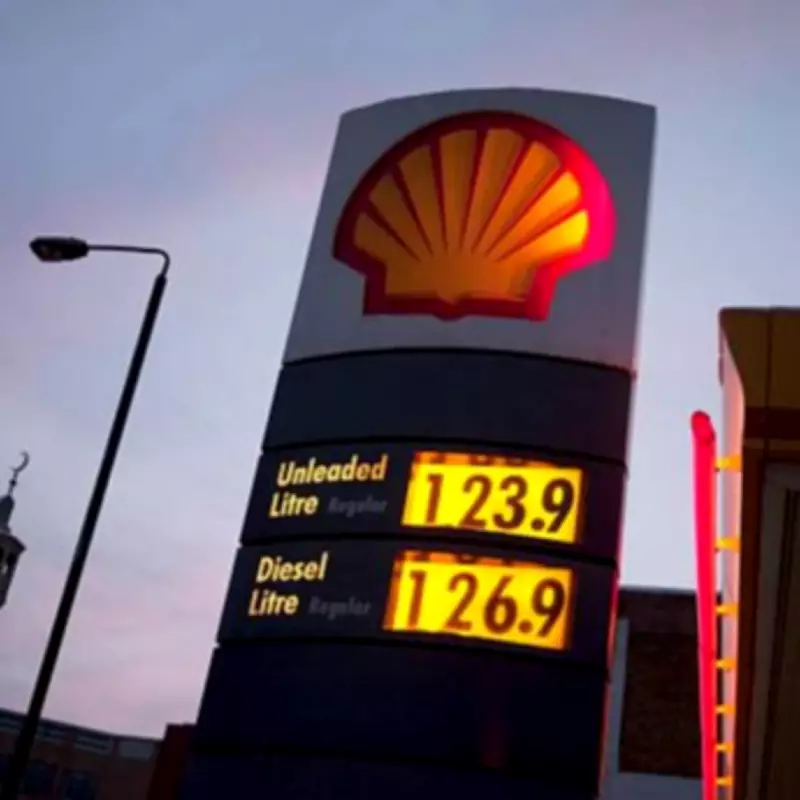
For UK motorists, these developments translate directly to higher costs at the pump, making fuel efficiency strategies increasingly valuable. Fletcher's recommendation to refuel during cooler hours represents one practical approach to mitigating the financial impact of these international developments on everyday transportation expenses.