UK Drivers Advised to Fuel at Supermarkets as Petrol Prices Surge
Motorists across the United Kingdom are being strongly encouraged to refuel at supermarket forecourts as the prices of petrol and diesel experience a dramatic increase. This sharp rise is directly linked to escalating oil prices, which have surged above $100 per barrel for the first time since 2022, primarily in response to ongoing conflict in the Middle East.
Significant Price Increases at the Pump
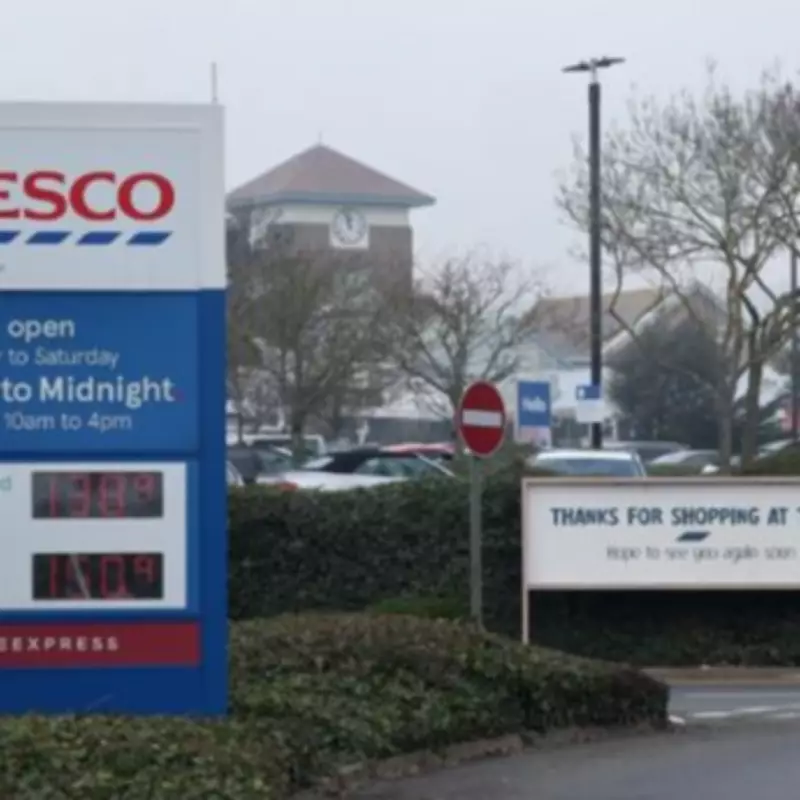
Since the conflict began on February 28, average costs have climbed noticeably. The price per litre of petrol at UK forecourts has increased by 5 pence, reaching 137.5 pence. Meanwhile, diesel has seen an even steeper rise of 9 pence per litre, now standing at 151.0 pence. These increases are placing additional financial pressure on drivers and the broader transport sector.
Expert Advice on Smart Fuel Purchasing
William Fletcher, CEO of Car.co.uk, provides clear guidance for cost-conscious consumers. "Supermarket fuel is the same quality as what you'd get elsewhere," he states. "All UK fuel must meet identical British Standards, so you're not compromising on quality by choosing the cheaper option. You're simply being smart about where you shop."
Fletcher emphasizes the importance of developing strategic habits. "The key is to make these habits part of your routine," he explains. "Once you get into the practice of checking apps and planning your refuelling stops, it becomes second nature. You're not going out of your way or spending extra time. You're just being more strategic about where and when you buy fuel. That's the difference between overpaying and getting the best deal available."
Analysis of Oil and Fuel Price Correlation
Research from the Energy and Climate Intelligence Unit think tank highlights the historic link between oil and fuel prices. Their analysis indicates that when oil trades at $100 per barrel, petrol prices typically reach approximately 150 pence per litre. Should oil prices climb to $120 per barrel, petrol prices could escalate to around 170 pence per litre, illustrating the direct impact of global oil markets on domestic fuel costs.
Broader Market Concerns and Driver Recommendations
Edmund King of the AA expresses concern over the prolonged effects of the conflict. "The longer this conflict goes on, the more effect it will have on the cost of oil," he notes. "Any time Brent Crude passes $100 per barrel raises concern across the markets, for the haulage industry and drivers."
King anticipates gradual increases in pump prices but advises drivers on practical measures. "Our suggestion is that drivers should not change their refuelling habits but can consider cutting out some non-essential journeys and changing their driving style to conserve fuel," he recommends. This approach aims to mitigate the financial impact while maintaining necessary mobility.
In summary, with oil prices driving fuel costs upward, UK drivers are urged to adopt smarter refuelling strategies, primarily by utilizing supermarket forecourts, to manage expenses without sacrificing fuel quality or convenience.