Drivers Given Essential Winter Tip for Defrosting Car Doors
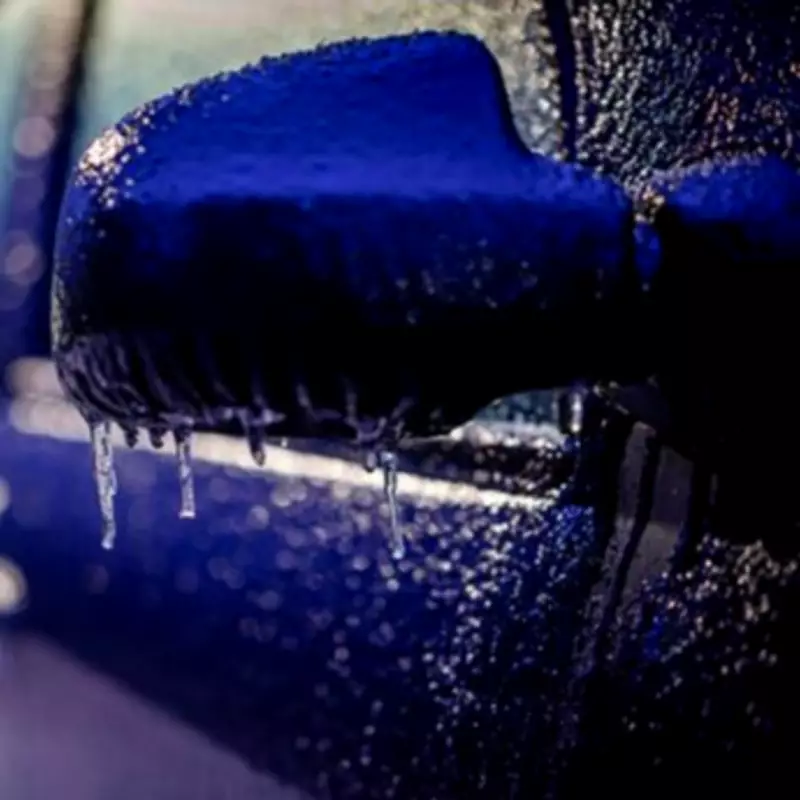
Motorists across the UK are being advised on a specific and effective technique to defrost car doors during freezing conditions. According to Graham Conway, managing director at Select Car Leasing, using water can be a key solution to melt ice that often jams locks, ensuring drivers can access their vehicles without difficulty.
How to Apply the Water Method Correctly
Graham Conway explains the process in detail: "Pouring some hot—but not boiling—water around the affected area can help melt the ice causing the jam. However, this is a short-term fix, as once it cools, it may refreeze over the existing ice, potentially worsening the problem." He emphasizes the importance of temperature control and follow-up actions: "Make sure the water isn't too hot, certainly not boiling, and once you've opened the door, dry any wet surfaces thoroughly to prevent more ice from forming."
Alternative Solutions and Safety Precautions
The RAC offers additional advice for drivers facing frozen locks. They recommend keeping de-icer or WD-40 in an emergency winter breakdown kit to free locks and remove ice. If these items are unavailable, the RAC suggests safely applying heat: "You can either breathe on the lock or, if it's safe to use an extension lead and a hairdryer, apply heat that way. However, be careful not to place the hairdryer too close to the lock, as the intense heat could melt plastic or damage electronics within the door or lock."
Legal Warnings and Potential Fines
Drivers should be aware of legal consequences related to defrosting methods. Leaving your engine running to melt ice, frost, or snow from your car's windscreen can result in fines. If instructed to turn off your engine and you fail to comply, you may receive a fixed penalty notice of £20. This fee increases to £40 if not paid within 28 days, and further rises to £80 if the £40 isn't paid in the following 14 days. Repeated offenses can lead to fines as high as £1000, highlighting the importance of using safe and legal defrosting techniques.
By following these expert tips, drivers can navigate winter weather more safely and avoid costly penalties, ensuring their vehicles remain accessible and secure during cold spells.