Drivers Face Serious Consequences for Stockpiling Extra Petrol at Home
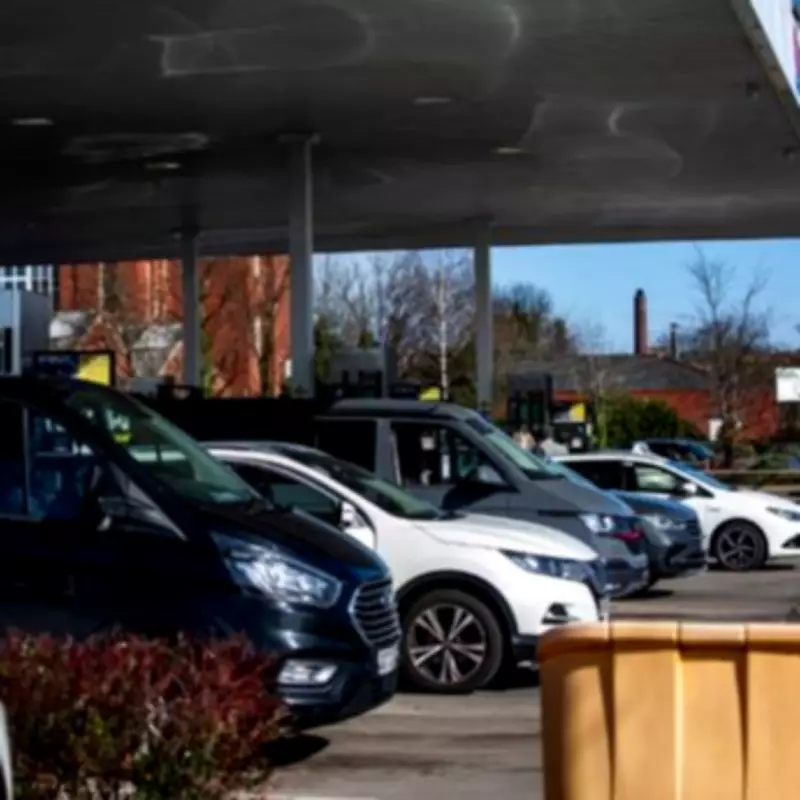
Drivers across the UK are being warned about the serious legal and safety risks of stockpiling extra petrol at home amid huge queues at forecourts and rising fuel prices. Car experts have issued urgent advice to ensure motorists understand the proper procedures for storing fuel safely.
Rising Fuel Prices Spark Storage Concerns
With the ongoing Middle East crisis between Iran and the US sending fuel prices skyrocketing, some drivers are attempting to get ahead of rising costs by filling extra containers while prices remain relatively low. This has led to increased concerns about proper fuel storage practices in residential areas.
Graham Conway, managing director at Select Van Leasing, emphasized the critical importance for motorists to understand the "risks and responsibilities" that come with storing fuel at home. He warned that improper storage could lead to severe consequences.
Legal Storage Limits and Requirements
According to current regulations:
- Drivers can store up to 30 litres of petrol at home without needing to declare the storage or apply for a licence
- Containers must be purpose-built for fuel and have proper closures
- The 30 litres can be split across two 10-litre metal jerry cans and two five-litre plastic containers
Mr Conway specifically warned: "Those who don't face legal consequences. This includes police and enforcement action." Drivers who exceed the 30-litre limit must notify their local Petroleum Enforcement Authority or face potential legal action.
Safety Warnings and Market Impact
The safety concerns are particularly significant given current market conditions. On Wednesday morning, the price of Brent crude oil – the type typically used for petrol manufacture – rose to more than $84 per barrel, the highest level since last June.
Mr Conway added: "Petrol is one of the most flammable substances you can keep at home. Using the right containers and storing it safely can help prevent accidents and protect your insurance cover if anything goes wrong."
He provided specific safety guidance:
- Never use water bottles, food containers, or makeshift jugs for fuel storage
- Containers without proper seals or safety vents can leak, expand, or even explode in high heat
- Improper storage methods are not only illegal but extremely dangerous
Raymond Gormley, head of energy policy at the Consumer Council, commented on the broader market impact: "As we import all our home heating oil, Northern Ireland is at the mercy of volatile global oil markets. The price that consumers pay is impacted by a complex range of factors, including geopolitical tensions which can result in price fluctuations."
He noted that home heating oil prices had been increasing slowly over recent weeks, with 500 litres costing £307.38 on February 26th, up £13 from the previous week. The conflict with Iran is very likely to impact home heating oil prices in Northern Ireland, with exact figures to be confirmed in weekly oil price checks.
Mr Conway concluded with a stark warning: "It might be convenient to have spare fuel, but doing it wrong can end up costing far more than you save." The combination of legal requirements, safety concerns, and market volatility creates a complex situation for drivers considering extra fuel storage during this period of uncertainty.