M6 Fuel Stop Director Warns of 'Probable' Petrol Station Shortages
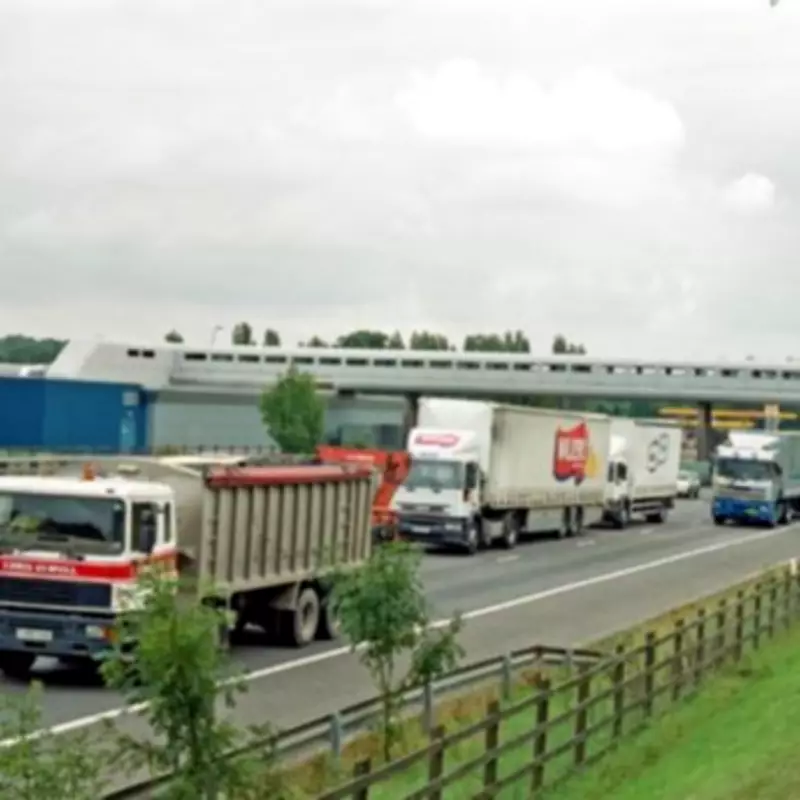
A fuel shop owner in northern England has issued a stark warning that petrol stations across the UK are "probably" going to run out of fuel, with drivers, motorists, and road users facing potential shortages linked to the ongoing war in Iran. Robert Little, the director of truck fuel stops on the M6, expressed his concerns in an interview with ITV News, highlighting the broader implications for supply chains and consumer goods.
Concerns Over Fuel Supply and Product Availability
When questioned about the risk of petrol pumps running dry, Little stated, "I hope not, but I think we probably will, to be quite honest." He emphasized that he does not intend to engage in scaremongering but pointed out that the UK already faced significant supply issues before the conflict. "I don't see this making things any better," he added, noting the worrying impact on everyone, as most products rely on lorries that need fuel to operate.
Little explained the direct connection between fuel supply problems and product availability: "So if there are fuel supply problems, they'll automatically be product supply problems. It just stands to reason." This warning comes amid rising fossil fuel prices triggered by US-Israeli attacks on Iran, which began over the weekend, exacerbating existing market volatility.
Impact on Energy Bills and Market Volatility
Bob Ward from the Grantham Research Institute at the London School of Economics echoed these concerns, warning that the Middle East conflict and subsequent surge in oil and gas prices "could translate into significantly higher energy bills for British households and consumers." He highlighted the UK's vulnerability to international fossil fuel markets and advocated for a faster transition to domestic clean energy sources like renewables and nuclear power to mitigate these risks.
Simon Stiell, the UN's climate chief, reinforced this view, stating that the latest upheaval demonstrates how "fossil fuel dependence leaves economies, businesses, markets and people at the mercy of each new conflict or trade policy lurch." He proposed renewables as a cheaper, safer, and faster-to-market solution for enhancing energy security and sovereignty.
Recent Price Increases and Market Trends
In the wake of the conflict, fuel prices have already seen notable spikes. According to reports from Sky News, UK diesel prices rose by 7p per litre, while petrol increased by 2p per litre following significant oil price hikes on Monday. Since the war began on Saturday, the average price of petrol has climbed to 135.20p per litre, marking an increase of nearly 2.5p. Meanwhile, diesel prices have reached 145.66p per litre, reflecting a rise of more than 3p.
These developments underscore the immediate economic impact of geopolitical tensions on everyday consumers and businesses, with potential long-term effects on supply chains and energy affordability.