Vehicle Tax Increase Confirmed: New £200 Charge for Drivers with Specific Number Plates
Millions of drivers across the country are set to be impacted by increased vehicle excise duty charges, which will come into effect from April 2026. The standard rate of vehicle tax is expected to be hiked by the Government, adding an extra running cost for motorists to consider in their budgets.
Details of the New Vehicle Tax Charges
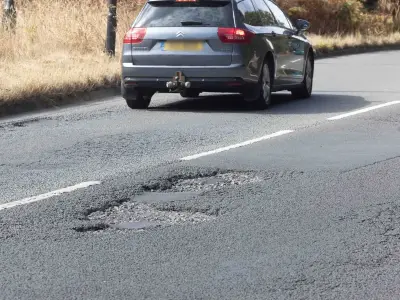
The standard rate of vehicle excise duty for most cars is set to rise by £5 to £200. This change primarily affects the majority of vehicles registered after 2017. These cars will have number plates from 17 and 67 upwards, though brand new cars will likely have lower rates initially.
Letters from the DVLA will be sent to households when it is time for renewal, informing drivers of the updated charges. The exact fee for your annual road tax will depend on the year your car was first registered, the type of fuel it uses, and its tailpipe emissions.
Impact on Electric Vehicle Owners
Since last year, households with electric vehicles have had to pay vehicle excise duty, marking a significant shift from previous exemptions. In April 2026, EV drivers will start paying the £200-a-year flat rate, as electric cars no longer qualify for free road tax.
If your vehicle had a list price that exceeded £40,000 when it was first sold, or £50,000 if your car is electric, then you may also be liable for the 'luxury car tax' fee. This adds £425 to the vehicle's annual VED costs, taking it up to £620.
Official Statements and Future Projections
Motoring organisation the RAC commented on the upcoming changes, stating: "While the car tax rates for April 2026 onwards have yet to be released, we're expecting the cost of VED in 2026 to be £200 for most newer car drivers - up from £195. This rises in line with the Retail Price Index."
It is important to note that you may pay less or more if your car was first used before 2017, as different tax bands apply to older vehicles. The Government has confirmed these new charges as part of broader fiscal adjustments.
Drivers are advised to prepare for these additional costs and stay informed through official DVLA communications. The increase reflects ongoing adjustments to motoring taxation in response to economic factors and environmental considerations.