Police Granted Power to Disqualify Drivers Instantly for Failing Eyesight Tests
Motorists across the nation are being alerted to a significant enforcement change: police officers now possess the authority to disqualify drivers on the spot if they fail a basic roadside eyesight examination. This move is part of a broader initiative by law enforcement agencies to intensify vision checks, aiming to identify individuals who no longer meet the essential legal requirements for operating a vehicle.
Understanding Cassie's Law and Its Implications
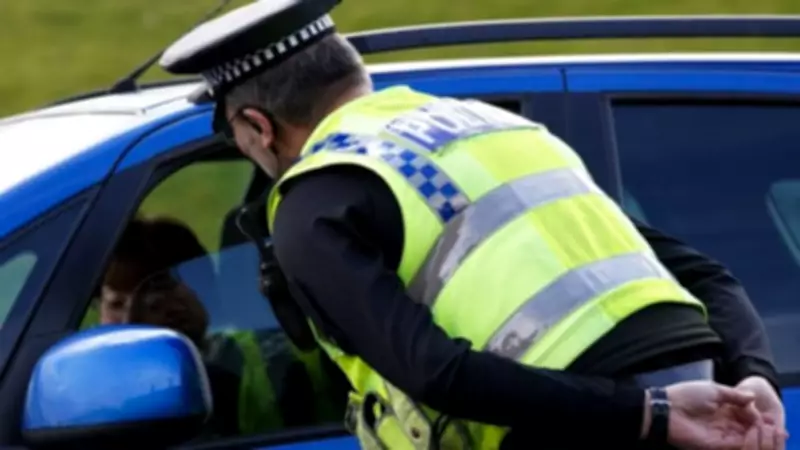
Under legislation known as Cassie's Law, named in memory of 16-year-old Cassie McCord who was tragically killed by an 87-year-old driver with poor eyesight, officers can conduct roadside vision tests. If a driver fails, they can have their licence revoked immediately, with the Driver and Vehicle Licensing Agency (DVLA) notified right away. Automotive expert Charlie Reid, company director at Riverside Car Sales, emphasized: "Police officers have the authority to conduct these tests at any traffic stop. Failing means you're designated as not legally fit to drive, and your licence can be taken on the spot."
The Standard Eyesight Test Explained
The test requires drivers to read a standard UK number plate from a distance of 20 metres, which is approximately five car lengths or about 65 feet. Charlie Reid noted: "The test might sound simple, but you'd be surprised how many drivers struggle with it. Number plates produced after September 2001 use a narrower, more challenging font that can be harder for those with slight impairments to decipher." This standard is designed to ensure all motorists have adequate vision for safe driving, but it can catch out those unaware of their declining eyesight.
The Hidden Danger of Gradual Vision Decline
Natural deterioration of vision often occurs so slowly that many motorists fail to notice any change in their clarity. While you may have secured your licence with perfect vision years ago, eyesight inevitably fades over time. Neil Shaw at Plymouth Live reports that this gradual decline is a common issue, with many individuals mistakenly believing minor blurriness is a normal part of ageing or thinking they can compensate by being more cautious. Charlie Reid added: "Vision changes happen slowly, so your brain adapts, and you don't always notice you're struggling. You might think you're seeing well enough, but 'well enough' isn't the same as meeting the legal standard. And when you're behind the wheel, that difference can be life-threatening."
Impact on Road Safety and Hazard Perception
Poor eyesight significantly hinders hazard perception and delays the brain's processing of dangerous situations. Studies indicate that drivers with uncorrected vision issues experience much longer emergency braking distances. Charlie Reid explained: "If you can't see a hazard clearly until you're much closer to it, you have less time to react. That extra second or two could mean the difference between stopping safely and causing a collision." This underscores the critical role of clear vision in preventing accidents and ensuring road safety for all users.
Staying Safe and Legal: Expert Recommendations
To avoid falling foul of the law and endangering themselves or others, experts recommend that all motorists undergo a professional eye examination at least every 24 months to ensure they remain road-legal. Those over 70 should consider annual check-ups, as ocular health can decline more rapidly in later life. Charlie Reid warned: "Don't wait for your next routine appointment if you notice changes. Your eyesight can change quite quickly, and it's not worth the risk of driving illegally or worse, causing an accident because you couldn't see properly." By staying proactive about eye health, drivers can help maintain safety on the roads and comply with legal standards.