Chancellor Rachel Reeves Confirms Fuel Duty Increase for 2026
Chancellor Rachel Reeves is set to implement a tax hike affecting millions of drivers later this year, according to government plans. The increase to fuel duty is scheduled to take effect from September 2026, which will elevate prices at petrol pumps and add further strain to household budgets during the ongoing cost-of-living crisis.
Economic Impact and Predictions
The Office for Budget Responsibility (OBR) forecasts that fuel duty will generate approximately £24 billion in revenue for the 2025/2026 fiscal year. This figure is expected to rise by an additional £0.4 billion in 2026/2027 following the planned duty adjustments. OBR documents, as reported by The Sun, outline that the policy involves unwinding a previous 5p cut in three stages, with the first reversal planned for September 2026. Subsequently, duty rates are intended to be adjusted in line with the Retail Price Index (RPI) from 2027/28 onwards.
Political Criticism and Calls for Change
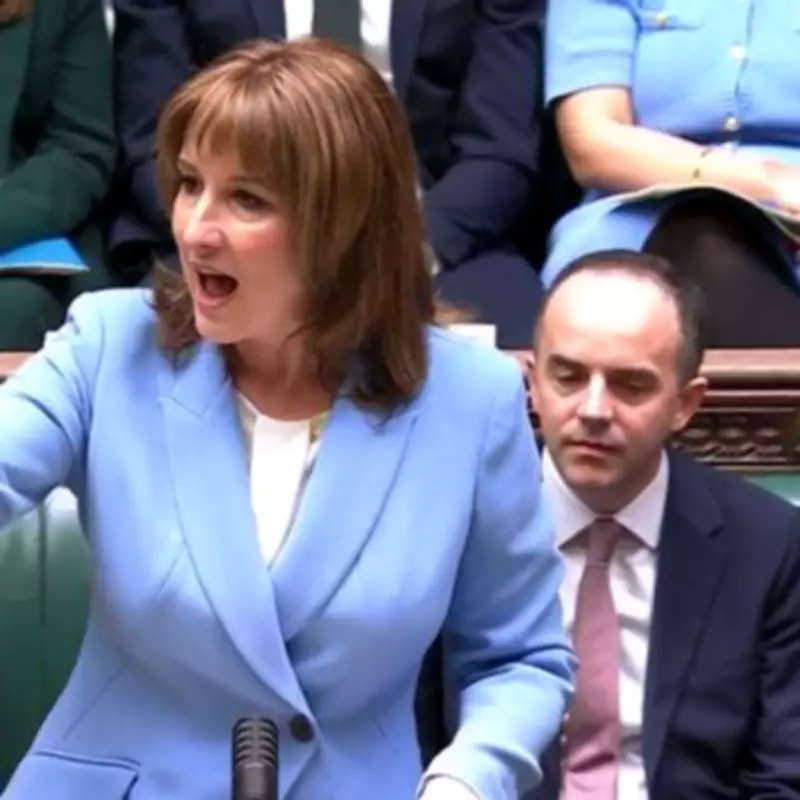
Rachel Reeves has encountered significant opposition to the proposed fuel duty rise, with calls to abandon the plan amid geopolitical tensions, such as the conflict in Iran, which could further destabilise fuel prices. Helen Morgan, the Liberal Democrat MP for North Shropshire, has been vocal in her criticism, urging the Chancellor to scrap the increase. Morgan emphasised the disproportionate impact on rural communities, stating, "People in North Shropshire are already struggling with the cost of living, and the prospect of record-breaking prices at the pumps could be disastrous." She highlighted concerns that rising petrol costs will burden commuters, families, and businesses who rely on private transport due to limited public options.
Broader Implications for Motorists
The planned tax hike begins with a 1p increase in September 2026, compounding existing financial pressures on households. This move has sparked debate over its timing and necessity, particularly as external factors like international conflicts could exacerbate fuel price volatility. Critics argue that the increase will hit rural areas hardest, where alternatives to driving are often scarce, and call for more supportive measures to help families navigate these challenging economic conditions.