UK Petrol Prices Skyrocket to 169.9p Per Litre Amid Middle East Conflict
Petrol prices across the United Kingdom have surged dramatically, reaching as high as 169.9p a litre, with motorists encountering extensive queues and some fuel stations experiencing shortages. This sharp increase is directly linked to growing tensions in the Middle East, particularly following the outbreak of war involving Iran, which has triggered panic buying and overnight price hikes at forecourts nationwide.
Regional Variations and Panic Buying Incidents
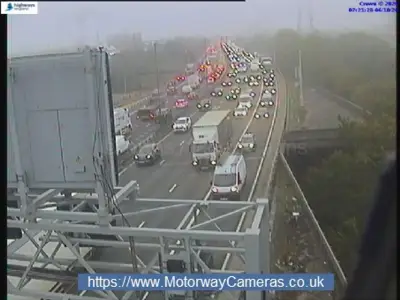
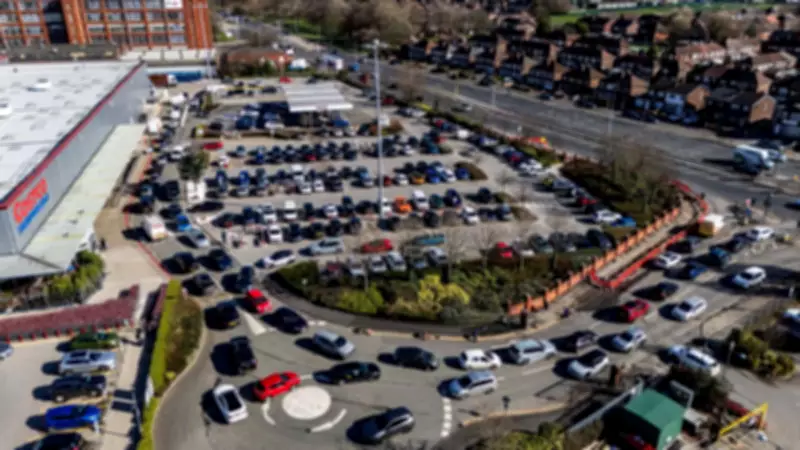
Reports from drivers highlight significant regional disparities in pricing and availability. In Cornwall, one caller to LBC noted that petrol prices jumped by 11p a litre in just two days, while a station in Bushey, north London, saw queues of up to 90 cars. Data from the Mirror’s fuel tracker reveals that motorists in Maidstone, Kent, are paying around 137.9p per litre, above the national average of 131.5p. The highest recorded price so far is at an Asda station in Bothwell, near Glasgow, where petrol has hit 169.9p per litre after a 3p rise.
On Wednesday, March 4, several stations increased prices by 6p, including sites in Bury St Edmunds, Great Yarmouth, and Heanor, with at least nine more raising prices by 5p. These sharp differences have led drivers to shop around, causing congestion at cheaper pumps. In Thanet, prices were as low as 126.5p per litre, while motorists in Lisburn and Castlereagh, Northern Ireland, paid just 121.4p.
Social Media Reports and Historical Context
Social media users have described widespread queues, with one stating, “I passed four petrol stations all with huge queues,” and another adding, “Lengthy queues in Bristol for fuel. Some are out of petrol already.” Analysts warn that this situation echoes past oil shocks, such as the 1973 crisis when petrol prices nearly doubled after an OPEC embargo. Currently, the disruption is tied to Iran’s closure of the Strait of Hormuz, a crucial shipping route for global oil supplies, where tanker traffic reportedly fell from a normal 60 vessels a day to just five on March 1.
Industry Responses and Future Outlook
Brent crude oil briefly rose to $82 a barrel on Tuesday, March 3, its highest level since January last year. Alasdair Locke, chairman of Motor Fuel Group, told BBC Radio 4’s Today programme that higher prices were 'inevitable' if oil costs remain elevated. He explained, “With the price of oil going up, that is inevitably going to feed through in due course to higher prices at the pump. How high fuel prices go will depend on how long the situation lasts and how high oil prices rise.”
However, industry figures have urged motorists not to panic. Simon Williams, head of policy at the RAC, said it was 'not a certainty' that drivers would face dramatic increases, noting, “The oil price would have to rise significantly and stay high for some time to have a major effect.” Both the AA and Fuels Industry UK also cautioned against alarmist messaging, stressing that fuel production and imports are continuing as normal, with no national supply shortages reported.
Despite these reassurances, motorists are bracing for further volatility at the pumps as the conflict continues and global oil markets react to ongoing developments.