West Midlands Road Safety Commissioner Warns of 'Unacceptably High' Pedestrian Deaths
West Midlands families continue to be torn apart by road deaths across the region, with the UK's first Road Safety Commissioner Mat MacDonald declaring the current figures unacceptably high. Presenting data to the Transport Delivery Overview and Scrutiny Committee, MacDonald highlighted that while overall killed or seriously injured (KSI) numbers have reduced in recent years, the situation remains critical.
Pedestrian Fatalities Represent Nearly Half of All Road Deaths
Of particular concern is the sharp increase in pedestrian fatalities, which stood at 21 in 2025 – representing almost half of the region's total 50 road deaths that year. They do represent a completely unacceptable proportion of pedestrian fatalities amongst the mix of those killed or seriously injured on our road network, MacDonald stated during the committee meeting.
Nationally, pedestrian fatalities typically account for around 25 percent of KSIs, but in the West Midlands, this percentage has risen significantly over the past two years. Obviously, it bears remembering that behind each of these numbers is an avoidable tragedy which has torn apart the lives of family, friends and communities, MacDonald emphasized, urging people to remember the human cost behind the statistics.
Investigation Reveals Dangerous 'Clusters' and Infrastructure Concerns
Road safety officials are currently investigating the causes behind these deaths, examining:
- Specific locations where incidents frequently occur
- The adequacy of pedestrian crossing facilities
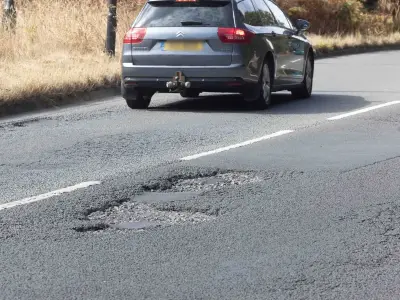
- Road infrastructure issues that may contribute to accidents
Investigators have identified 20 dangerous clusters where two or more pedestrians have been killed in the same location. Three-quarters of these clusters are located in Birmingham, with none identified in Dudley. This geographical concentration highlights the need for targeted interventions in specific areas.
Mixed Progress with Overall KSI Numbers Declining
The region has seen some progress, with overall KSI numbers dropping from 1,157 in 2024 to 1,078 in 2025. However, MacDonald cautioned against overinterpreting this reduction. We must be cautious to not over interpret this as a trend without us doing extra things to make sure we are properly protecting people as they travel, he warned.
Multi-Pronged Approach to Road Safety Improvements
MacDonald outlined several initiatives underway to address the ongoing crisis:
- Average Speed Enforcement (ASE): On larger road networks, ASE has proven effective, reducing personal injury collisions by 39 percent where installed. However, this approach isn't suitable for smaller roads where different strategies are needed.
- Fatal Collision Review Panels: Established in 2024, these panels assess severe collisions to identify potential infrastructure causes and contribute to a better understanding of pedestrian risks.
- Speed Management Protocol: Developed in partnership with Agilysis, this protocol aligns with the Regional Road Safety Action Plan.
- Healthy Streets Initiative: A longer-term objective focused on redesigning road layouts to deter speeding and encourage walking while reducing car journeys.
Two of the things we should improve on are driver education and also road infrastructure, MacDonald stated, highlighting key areas for improvement. The commissioner also emphasized the importance of examining junctions and crossings more generally, as these locations are often sources of crashes, conflict, and danger on roads.
The development of regional guidance and standards for road infrastructure represents a crucial step toward creating safer streetscapes where people feel more comfortable walking and taking journeys outside their vehicles. As the West Midlands continues to grapple with these tragic losses, road safety remains a pressing priority for communities across the region.