Drivers with company cars are facing updated fuel rates from September 1, as HMRC releases the first advisory fuel rates (AFRs) under the government of Labour Prime Minister Andy Burnham. The new rates, effective from September 1, 2026, apply when employers reimburse employees for business travel in company cars or when employees must repay the cost of fuel for private journeys.
According to HMRC's official website, the AFRs apply to all company car users, regardless of whether the vehicle runs on petrol, diesel, electric, or liquefied petroleum gas (LPG). These rates are reviewed quarterly on March 1, June 1, September 1, and December 1, ensuring they reflect current fuel prices.
Petrol and Diesel Rates Increase
The most significant changes affect petrol and diesel vehicles, with increases ranging from 2p to 4p per mile. For petrol cars, engines up to 1,400cc rise from 12p to 14p per mile, while those between 1,401cc and 2,000cc increase from 14p to 17p. Larger petrol engines over 2,000cc see the steepest rise, from 22p to 26p per mile.
Diesel drivers face similar increases. Engines up to 1,600cc go from 12p to 15p, those between 1,601cc and 2,000cc rise from 13p to 17p, and engines over 2,000cc increase from 18p to 23p per mile. These changes reflect the latest fuel price trends, according to HMRC data.
Electric and LPG Rates Unchanged or Slightly Up
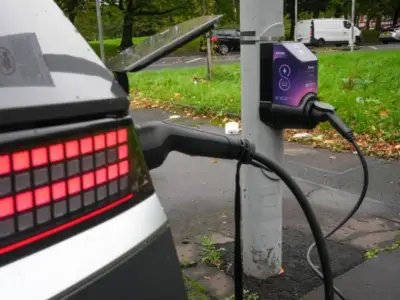
Electric vehicle owners will see no change, with home charging rates remaining at 7p per mile and public charging at 15p per mile. However, LPG vehicles see modest increases: engines up to 1,400cc rise from 10p to 11p, those between 1,401cc and 2,000cc from 12p to 13p, and over 2,000cc from 19p to 21p per mile.
HMRC clarifies that plug-in hybrid and hybrid cars are treated as petrol or diesel vehicles for AFR purposes, meaning they follow the respective fuel type rates. This is a crucial detail for fleet managers and employees alike.
Expert Advice on Fleet Costs
With fuel costs rising, tax experts suggest reviewing fleet strategies. Hays Mac LLP commented: "It may be a good time to look at your car fleet and consider the fuel and tax advantages of electric cars, especially through a salary exchange arrangement." They also invite questions on HMRC Employer Compliance Reviews, fleet car costs, or salary exchange via their Employment Tax team.
The new rates take effect from September 1, 2026, and remain valid until November 30, 2026, when HMRC will next review them. Employers should update their reimbursement processes accordingly to ensure compliance with HMRC guidance.
These changes come alongside other government measures, such as Andy Burnham's £37 plan for roads in England from January 2027, indicating a broader focus on transport and fuel policy.