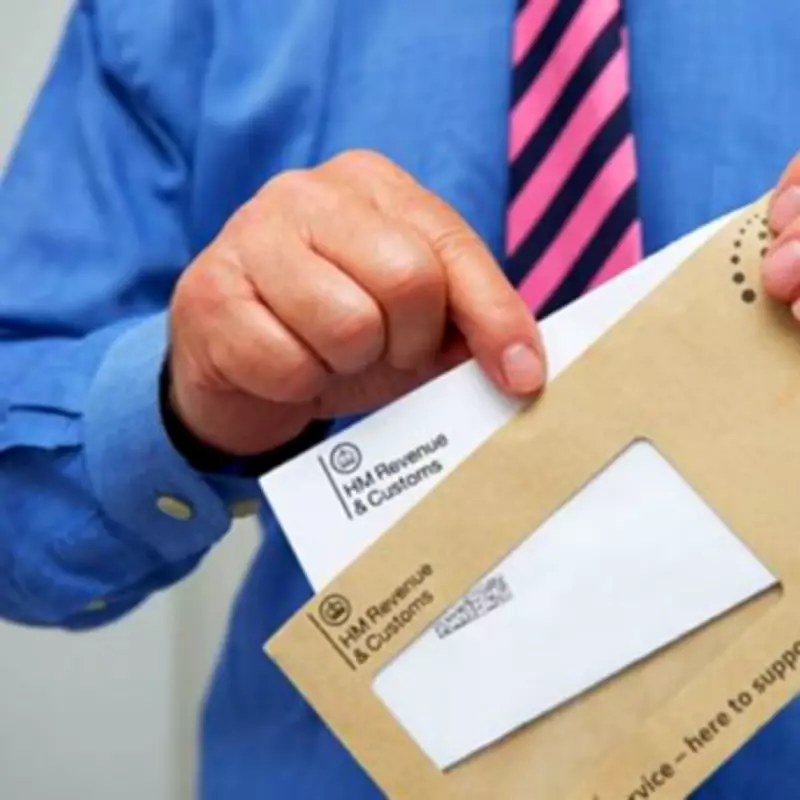
HMRC Issues Tax Demand Letters to UK Households with Savings
HM Revenue and Customs (HMRC) has begun sending demand letters to UK households who hold savings accounts, alerting them to potential tax liabilities on their interest earnings. This move comes as the Personal Savings Allowance (PSA) has remained frozen for a decade since 2016, drawing more people into the tax net.
Understanding Savings Account Types
There are four primary types of savings accounts available to consumers: fixed-rate accounts, notice accounts, easy-access accounts, and regular savers accounts. Each offers different benefits and restrictions.
Fixed-rate savings accounts, also known as fixed-rate bonds, typically provide some of the highest interest rates available. However, they require savers to lock away their funds for an agreed term without early withdrawal options.

Easy-access accounts offer maximum flexibility, usually allowing unlimited cash withdrawals without penalties, though often at lower interest rates.
Notice accounts strike a balance between accessibility and returns, offering slightly lower rates than fixed accounts but requiring advance notice for withdrawals.
Regular savers accounts reward consistent saving habits with competitive returns, provided savers deposit a set amount each month.
The Tax-Free Alternative: Individual Savings Accounts (ISAs)
Separately, Individual Savings Accounts (ISAs) allow individuals to save up to £20,000 annually completely tax-free. Unlike standard savings accounts, ISAs shield all interest earnings from taxation, providing significant financial protection.
Frozen Personal Savings Allowance Impacts Millions
The Personal Savings Allowance determines how much interest savers can earn before facing taxation. For basic-rate taxpayers, this allowance stands at £1,000, while higher-rate taxpayers have a £500 limit. With the PSA frozen since 2016, inflation and rising interest rates have pushed more savers over these thresholds.
Numerous income sources count toward the PSA, including:
- Bank and building society accounts
- Savings and credit union accounts
- Unit trusts, investment trusts, and open-ended investment companies
- Peer-to-peer lending
- Trust funds
- Payment protection insurance (PPI) refunds
- Government or company bonds
- Life annuity payments
- Certain life insurance contracts
Expert Advice for Savers
Andrew Wright, Head of Savings at Paragon Bank, commented on the situation: "More people than ever are being drawn into paying tax on their savings, and a letter from HMRC risks catching many by surprise. With the number of taxpayers on savings interest rising so sharply, it's never been more important for savers to consider using Cash ISAs."
He emphasized: "The tax-free status of ISAs means savers keep every pound of interest they earn, providing certainty and protection at a time when allowances are frozen and interest rates remain competitive."
As HMRC continues its campaign, financial experts urge savers to review their accounts and consider tax-efficient options to maximize their returns and avoid unexpected tax bills.