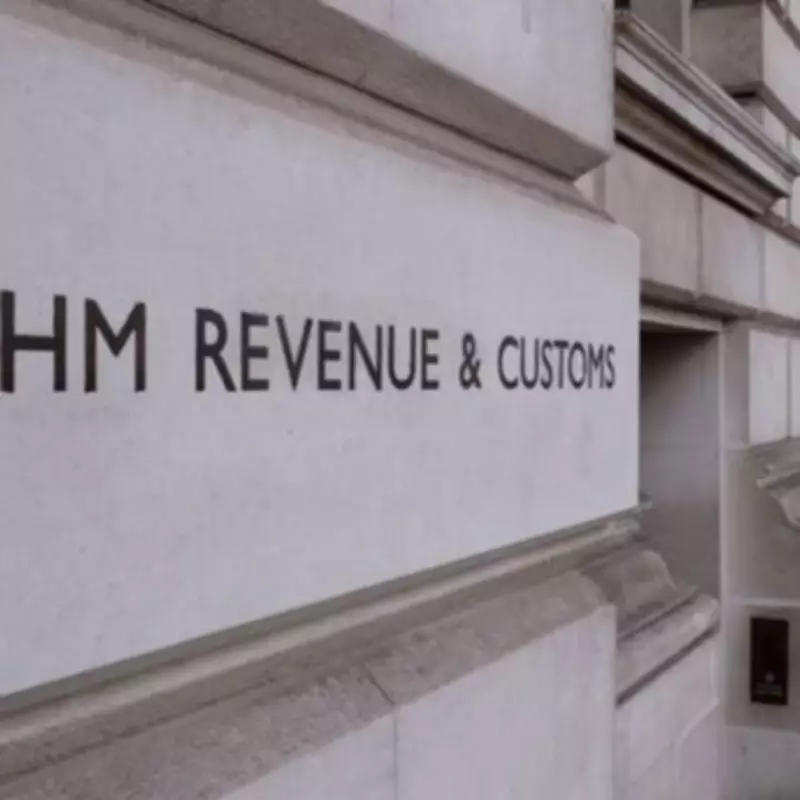
HMRC Dividend Tax Increase to Impact UK Households by £600 from April
Significant changes to HMRC tax regulations announced in the recent UK Budget will leave many households facing increased financial pressure, with experts warning the average affected individual will be approximately £600 worse off annually. The dividend tax rate adjustments take effect from April 6, 2026, prompting business owners across the country to reconsider their remuneration strategies.
Understanding Dividend Income and the Upcoming Changes
Dividend income represents non-earned or passive income generated from investments rather than direct employment. This typically includes:
- Income from shares in listed companies
- Rental property earnings
- Dividends paid from personally owned companies
Many directors of small limited companies structure their income through a combination of salary and dividends, which has traditionally been a compliant operational approach. However, the upcoming changes will alter this landscape significantly.

Specific Tax Rate Increases and Financial Impact
According to detailed analysis from tax compliance specialists at Qdos, the specific changes include:
- Basic rate taxpayers will see dividend tax rates increase by 2%, rising from 8.75% to 10.75%
- Higher rate taxpayers face a similar 2% increase in their dividend tax rates
- Additional rate taxpayers will experience no change to their current dividend tax rate
Seb Maley, CEO of Qdos, emphasized the urgency for business owners: "With just weeks remaining before these new rates take effect, now is the critical time for company directors to review their remuneration strategy. Many should consider utilizing existing thresholds before they increase next month."
Real-World Financial Consequences for Business Owners
The practical implications of these changes are substantial. For an individual withdrawing approximately £50,000 annually from their business, the basic dividend tax rate increase translates to roughly £600 in additional tax payments each year.
This financial impact escalates dramatically for those with higher earnings. Someone paying themselves around £100,000 annually could face approximately £1,400 in additional tax due to the higher rate changes, representing a nearly threefold increase compared to basic rate taxpayers.
Compliance Considerations and HMRC Scrutiny
Beyond the immediate financial planning required, limited company directors must ensure their tax compliance remains impeccable. Maley further cautioned: "This is something HMRC will be paying very close attention to, particularly as the new rates come into effect."
The combination of strategic financial planning and meticulous compliance documentation will be essential for business owners navigating these significant tax changes. With the April 6 implementation date approaching rapidly, timely action is crucial for minimizing financial impact and maintaining regulatory compliance.