Mortgage Rates Rise as Middle East Conflict Intensifies
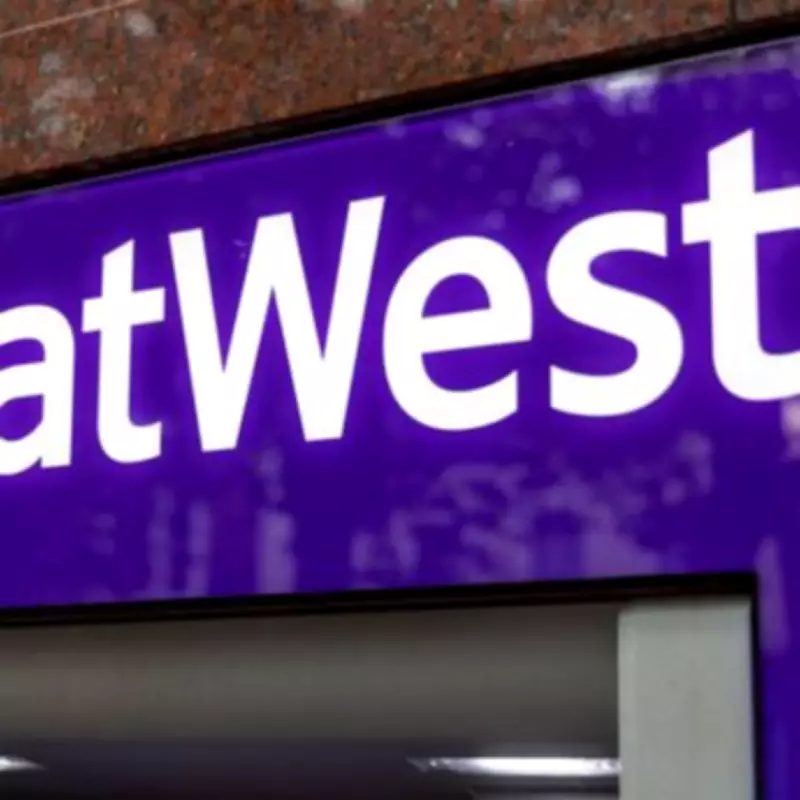
Two of the UK's leading banks, NatWest and Barclays, have announced significant increases to their mortgage rates. This move comes amidst escalating geopolitical tensions in the Middle East, specifically the ongoing war involving Iran, which is causing substantial volatility in global financial markets.
Swap Rates Surge to Near One-Year High
The five-year swap rate, a key benchmark used by lenders to price fixed-rate mortgages, has climbed sharply. It now stands at 3.918%, marking an increase from 3.787% just a day earlier and a notable jump from 3.647% a month ago. This current level is almost identical to the rate of 3.931% recorded one year ago, indicating a rapid reversal of recent downward trends.
This surge is directly linked to the conflict in the Middle East. The war has reached new levels of intensity, with recent attacks on three cargo ships in the Gulf contributing to a spike in oil prices, which have breached $100 per barrel. These developments have stoked fears of renewed inflation, prompting financial markets to adjust their expectations for future interest rates.

Impact on Borrowers and the Bank of England
The rising swap rates have a direct and negative impact on borrowers. NatWest has implemented rate hikes of up to 0.25% across its mortgage products, while Barclays has increased its rates by up to 0.3%. These adjustments make mortgages more expensive for new borrowers and those coming off fixed-term deals.
Martin Rayner, Director at Compton Financial Services, a mortgage broker, explained the broader implications. "Rising swap rates lead to higher mortgage rates and also signal that markets expect interest rates to stay higher for longer," he stated. "This can reduce affordability for borrowers and increase borrowing costs for businesses, potentially slowing housing activity and wider economic growth."
The situation may also influence the Bank of England's upcoming monetary policy decision. There is growing speculation that the central bank could pause its plans to cut the base rate from its current level of 3.75% next week. In a more severe scenario, the Bank might even consider increasing the base rate to combat inflationary pressures stemming from the conflict.
Market Sentiment Shifts
Financial markets are becoming increasingly pessimistic about the prospect of imminent interest rate cuts. Geopolitical instability and the associated inflation risks are pushing expectations toward a prolonged period of higher interest rates. This shift in sentiment is a primary driver behind the recent increases in mortgage lending costs, as banks adjust their pricing to reflect the new, more uncertain economic environment.