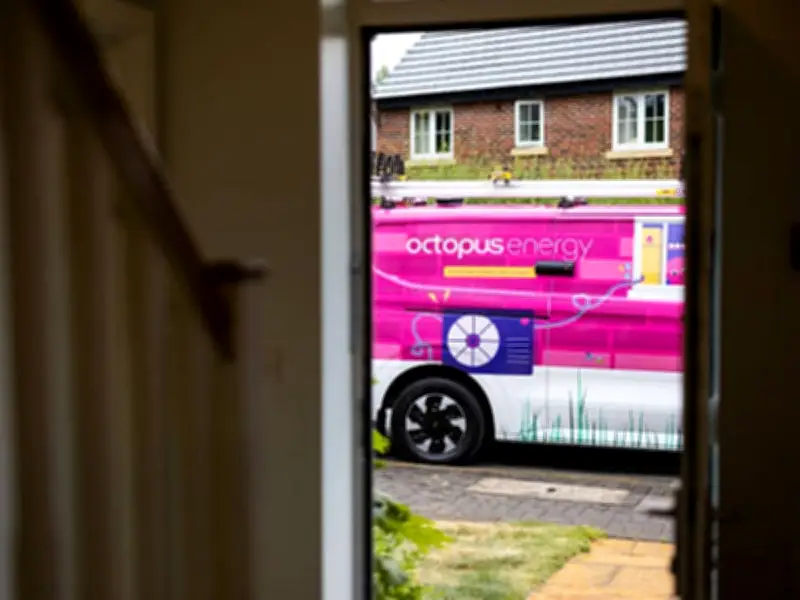
Octopus Energy has confirmed it will be crediting energy accounts with £512. The update comes as Octopus Energy's smart tariffs have helped customers save almost £1 billion on their energy bills over the past years, with over £200 million saved so far in 2026 alone.
Smart Tariffs Driving Savings
By encouraging households to use energy at the cheapest and greenest times, Octopus’ cutting-edge smart tariffs have helped one million customers cut their bills, while also reducing strain on the grid and lowering wider energy system costs.
Now, ahead of a new price cap, Octopus has written to customers. Emailing customers on Monday, it said: "Ofgem (the energy regulator) announced a 13% rise to the energy price cap from July to September.

"The price hike is largely on gas, so the summer weather should lessen this rise. In fact, the average home will likely spend around £15 less per month until October.
"Keeping prices lower: Once again, our prices will be lower than other large suppliers. Our standing charges will remain the cheapest standard tariff rates of any large supplier.
"Payments: We’re not adjusting your payments now. We’ll keep checking to make sure they are set to a sensible level, and will suggest changes if it looks like you’re paying too much or too little."
The email, from Greg Jackson, adds: "Please let me know if this email is helpful: I’ve prepared a short survey and would appreciate your views — we’ll randomly choose 8 respondents to win a £512 credit to their Octopus account."
Milestone for Smart Energy Use
One million Octopus customers are slashing their bills through smart tech and by using energy at cheaper times of day. The milestone comes as more households turn to electric cars, heat pumps and solar panels to take control of energy costs.
Mr Jackson said: "The energy transition should be done for people, not to them. By focusing relentlessly on innovation, we've built smart tariffs that deliver real savings for customers – now totalling nearly £1 billion.
"Every time customers shift energy use away from peak periods – whether charging EVs, running appliances, or heating their homes – they make energy cheaper and cleaner for everyone. It’s no different from traveling off-peak: shifting demand unlocks cheaper deals and a more efficient system for everyone."