Savers with £10,000 in High Street Banks Face £300 Annual Loss Warning
New analysis has issued a stark warning to savers holding £10,000 in accounts with major high street banks, revealing they could be losing out on nearly £300 per year in interest compared to digital-only challenger banks. The findings highlight a significant financial penalty for loyalty to traditional banking institutions.
The Loyalty Trap: A Costly Convenience
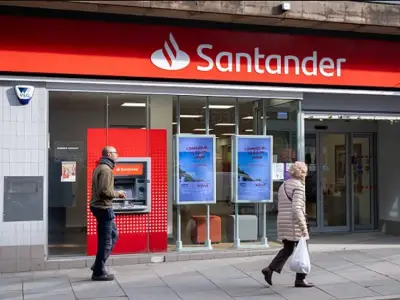
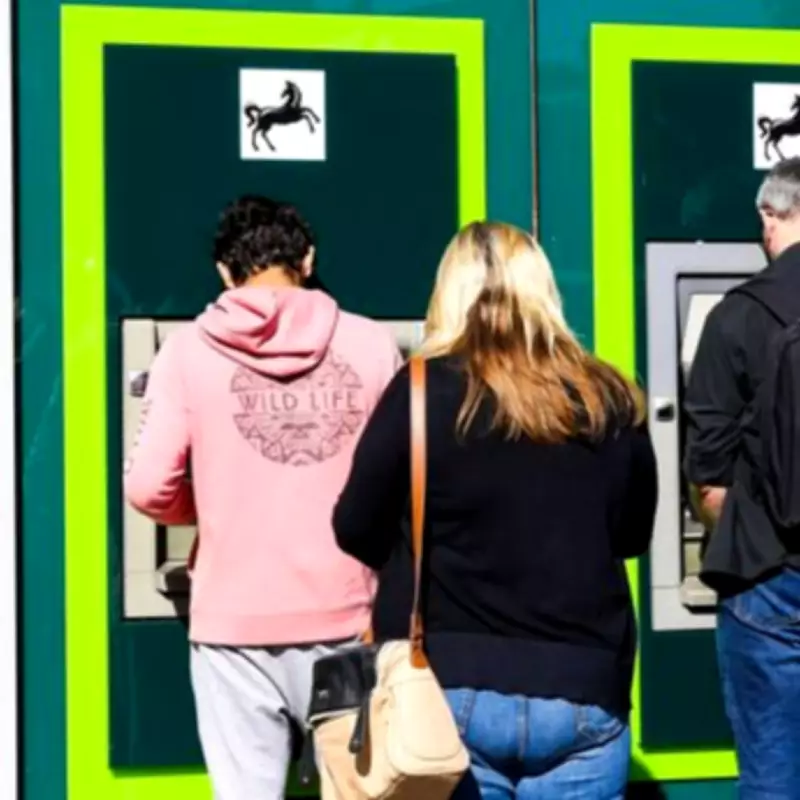
Research from comparison site Moneyfacts shows that the UK's biggest banks, including Barclays, NatWest, and Santander, offer an average interest rate of just 1.19% on flexible easy-access savings accounts. In sharp contrast, top challenger banks provide an average rate of 4.12%. For a saver with £10,000, this translates to earning £119 annually with a high street bank versus £412 with a challenger—a substantial difference of £293 lost each year.
Why Challenger Banks Offer Better Rates
Smaller, digital-only providers such as Chase, Shawbrook Bank, and Charter Savings Bank operate without the overhead costs of physical branch networks. This leaner business model allows them to pass on savings directly to customers through more attractive interest rates, creating a competitive edge over traditional high street giants.

Safety and Protection Myths Debunked
A common misconception is that smaller banks pose greater risk to depositors. However, most challenger banks are fully covered by the Financial Services Compensation Scheme (FSCS). As of December 2025, the protection limit has increased to £120,000 per individual or £240,000 for joint accounts, ensuring deposits with these providers are just as secure as those with established high street names.
Expert Insights and Market Trends
Moneyfacts analyst Caitlyn Eastell cautions that many top rates, some exceeding 4.5%, include limited-time bonuses typically lasting 12 months. Savers must remain vigilant and be prepared to switch accounts again once these introductory periods conclude to avoid reverting to lower-paying rates.
Matthew Jenkin from consumer group Which? notes that the gap between high street and challenger banks is most pronounced on instant-access products. Opting for the convenience of a branch-based account can cost hundreds of pounds in forfeited interest, particularly for those with larger lump sums.
Broader Implications and Future Outlook
The impact extends beyond individual savers. Small and medium-sized enterprises (SMEs) with £75,000 in savings at major banks are estimated to miss out on over £2,100 annually compared to challenger bank offers. With the Bank of England base rate falling to 3.75% in December 2025, savings rates across the market are projected to continue declining, exacerbating losses for those who remain in low-paying accounts.
Tax Considerations for Savers
As interest rates remain elevated compared to previous years, more savers are approaching their Personal Savings Allowance limits—£1,000 for basic-rate taxpayers and £500 for higher-rate taxpayers. Individuals earning over £10,000 in interest must notify HMRC via a self-assessment tax return, adding another layer of financial planning to consider.
This comprehensive analysis underscores the urgent need for savers to reassess their banking choices, as sticking with familiar high street names may come at a steep financial cost in today's evolving savings landscape.