UK Banks to Allow Custom Contactless Limits from March 19
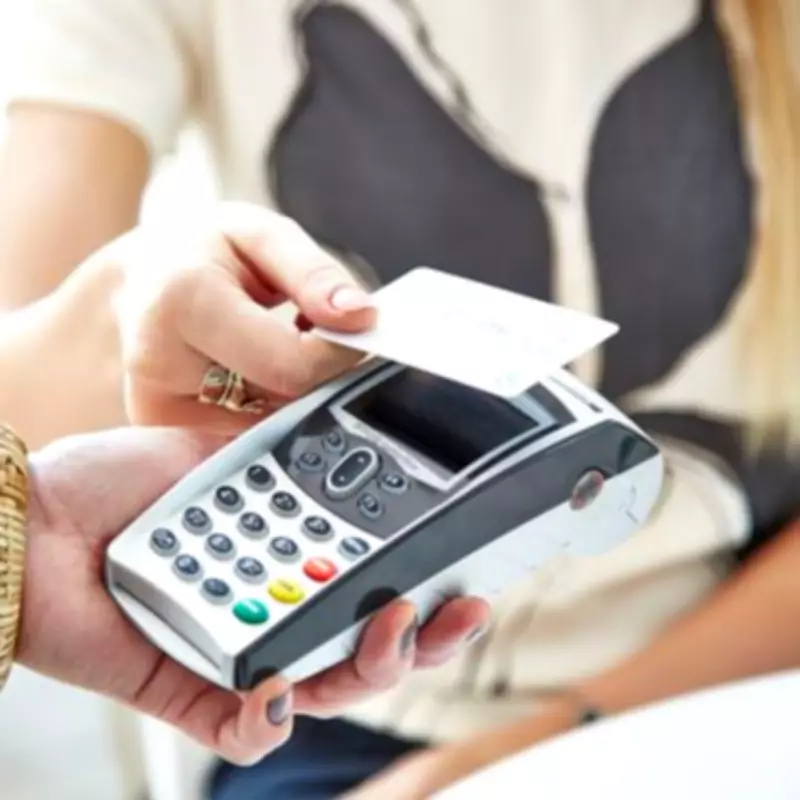
Major changes are coming to contactless payments across the United Kingdom, with the Financial Conduct Authority confirming that banks and payment providers will be able to set their own limits starting March 19. This shift marks a significant departure from the previous standardized £100 cap that has been in place since October 2021.
Which Banks Are Affected?
Customers of Lloyds Banking Group, HSBC, Santander, Barclays, NatWest, and other major financial institutions will be subject to these alterations. The change applies to all banks and building societies that maintain strong fraud controls, as determined by regulatory standards.
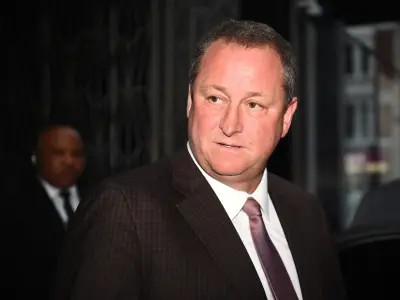
Consumer expert Rebecca Wilcox explained on BBC Morning Live: "Basically the Financial Conduct Authority, which is the regulator for all the banks, has said we're going to go to an unlimited spend on contactless. Now this is helpful for someone like me who is always forgetting their chip and PIN, but for most people actually we're not going to see a great change."

Historical Context of Contactless Limits
The evolution of contactless payment limits reflects changing consumer behaviors and technological advancements. When contactless payments first launched in 2007, the limit was set at just £10. The COVID-19 pandemic in 2020 accelerated adoption as people sought touch-free payment options, leading to an increase to £45. By October 2021, the limit had risen to £100, where it has remained until now.
Wilcox noted: "Did you know that 74 percent of all UK card transactions are now contactless? We've all forgotten our PIN except for the 10 percent of us who still use Chip and PIN. The other 16 percent is just online payment."
Why the Change Now?
The Financial Conduct Authority's decision to allow flexible limits is designed to future-proof the payment system against inflation and evolving consumer demands. Wilcox elaborated: "It is because the Financial Conduct Authority has said it is looking at future proofing itself for flexibility with banks and payment providers. So we don't know what's going to happen with inflation. It is reflecting the changes in consumer demand and the banking response to inflation."
Despite the regulatory change, industry feedback suggests most banks will maintain current limits initially. Wilcox confirmed: "We have spoken to most of the major banks. We have spoken to Lloyds banking group, HSBC, Santander, Barclays, NatWest and Monzo, and every single one of them says they are sticking with the £100 limit."
What This Means for Consumers
For the immediate future, consumers are unlikely to notice significant changes to their daily transactions. The average contactless spend currently stands at £16.83, well below the existing £100 threshold. Banks will determine their own limits based on customer preferences and security considerations.
Wilcox emphasized: "So this has come in, the FCA's starting, and we're all thinking about it, we're all worried about it, but actually banks set their limits on it, and they go to what the customer wants. So if we all start going 'we'd like to spend a bit more doing that' maybe they'll change it, but not in the immediate future."
The transition to customizable contactless limits represents a strategic move by regulators to create a more adaptable financial ecosystem while maintaining robust fraud protection measures that have made contactless payments increasingly popular among UK consumers.