Majorca to Introduce New Tourist Caps in Palma This Summer
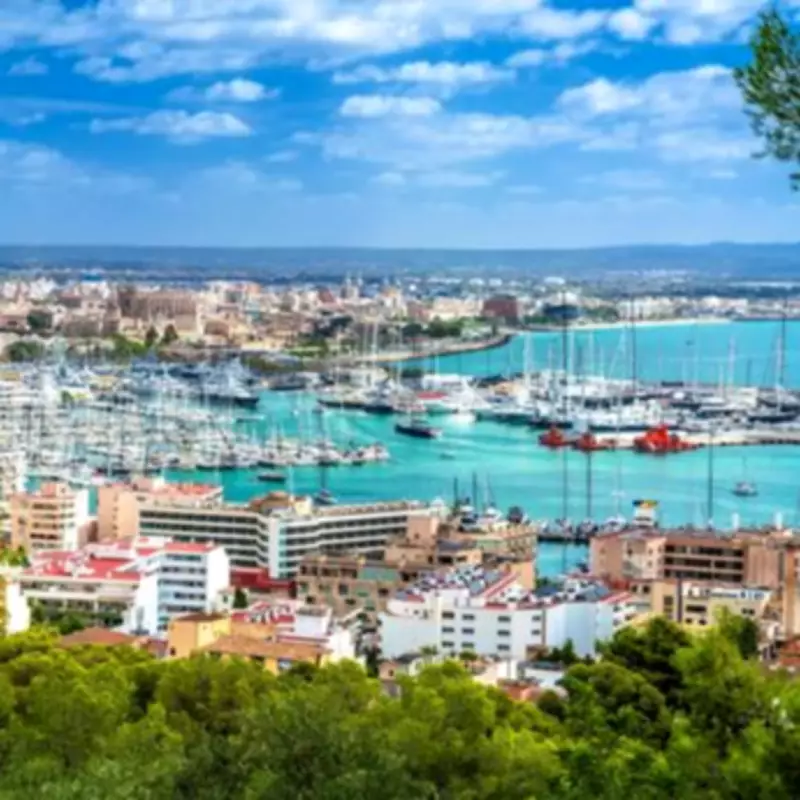
The Spanish island of Mallorca is set to implement new restrictions on tourist numbers in the city of Palma this summer, with a significant reduction in cruise ship berths planned to curb overcrowding. Under the fresh proposals, the daily allocation of cruise ship berths in Palma will be cut from 8,500 to 7,500 between June and September, aiming to limit the influx of visitors during the busiest season.
Details of the New Cruise Ship Limits
This reduction means fewer passengers will disembark to explore the popular Spanish destination when the measures take effect from 2027 to 2029. Outside of the peak summer periods, the berth allocation will remain at 8,500, but the 1,000-berth decrease during the high season is expected to impact tourists arriving by cruise ship. Notably, a maximum of three cruise ships will be permitted to dock at the Port of Palma daily, with only one vessel allowed to transport more than 5,000 passengers per day.
The arrangement, agreed upon by the Balearic Government, Palma City Council, and 20 cruise operators, runs until 2031, with the summer restrictions concluding in 2029. According to local reports, the deal aims to regulate cruise activity and protect the interests of the city, particularly in the historic centre, amid growing concerns about overtourism.
Background on Overtourism and Resident Protests
Visitor numbers to the Balearic Islands have been steadily rising, with 18.7 million tourists in 2024 and over 19 million the following year. In contrast, the population stands at around 1.2 million, including an estimated 18,000 British expats. Mallorca alone is estimated to have welcomed more than 2 million British visitors in 2025, contributing to the strain on local infrastructure and resources.
In previous years, thousands of Spanish residents have taken to the streets in protest against overtourism, and there are concerns that demonstrations could resume this summer. Critics argue that the Balearic Government's sustainability pact has failed to effectively manage overcrowding on the islands. Margalida Ramis from the environmental group GOB stated that the government has not taken sufficient action to tackle the issue.
Earlier this year, a statement released prior to a protest gathering emphasised that the constant increase in overtourism in Mallorca can only be confronted through grassroots organisation. Additionally, the opposition party, PSOE, proposed a motion in the Balearic parliament to limit tourist numbers to 17.8 million per annum, but it was dismissed earlier this year.
Implications for Tourism and Future Measures
The new limits reflect a broader effort to balance tourism with sustainability, as the region grapples with the environmental and social impacts of high visitor numbers. While the measures may reduce some tourist traffic, they are part of a longer-term strategy to preserve the island's appeal and quality of life for residents.
As the summer season approaches, all eyes will be on how these caps affect travel patterns and whether further actions will be needed to address the ongoing challenges of overtourism in Majorca.