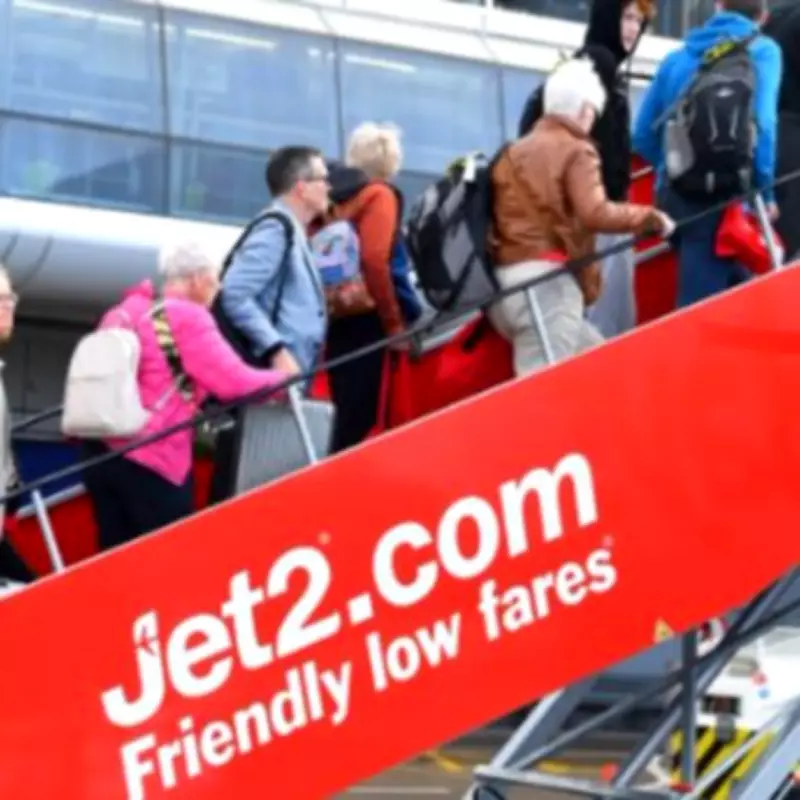
The UK government is set to introduce a new national blacklist rule that would permanently ban disruptive passengers from flying with airlines such as Jet2, Ryanair, and Easyjet. The Labour Party government is planning measures to crack down on drunk, abusive, unruly, and rowdy holidaymakers on flights.
Closing the Loophole
Currently, passengers who cause problems on flights can be banned by the airline they are traveling with, but they can still book through another operator. Under the proposed government shake-up, this loophole will be closed through increased data sharing between airlines. Jet2 has expressed support for the initiative, and Ryanair has called for it. The changes would also involve other major airlines and travel operators, including TUI and Easyjet.
Industry Support and Concerns
The move follows calls from Ryanair boss Michael O'Leary for pre-flight drinking to be banned or limited to reduce the number of disruptive passengers. A Whitehall source stated: “Everyone should be able to enjoy a pint at the airport, but antisocial behaviour on flights is totally unacceptable. It threatens the safety of passengers and crew, and disrupts hard-earned holidays. There are already tough laws in place, but we are exploring how to better address this issue.”

Phil Ward, Chief Operations Officer of Jet2, said: “The creation of a national database will mean that, as well as being banned from flying with us, disruptive passengers can also be banned from flying with other UK airlines.” Paul Charles, chief executive of The PC Agency travel consultancy, said action “couldn't come soon enough” to curb rowdy passengers, adding that a blacklist would “prevent costly flight diversions and reduce attacks on cabin crews.”
Civil Liberties Concerns
However, civil liberties campaigner Josie Appleton of the Campaign for Freedom in Everyday Life warned that the proposal “should ring alarm bells.” She questioned: “Who decides who goes on the list, what is the benchmark, and how long would they be on the list for?” Appleton added that the plan “sets a dangerous precedent of government working with private companies to bar people’s access to transport and services, and to share personal data — which could roll over into blacklists in other areas.”