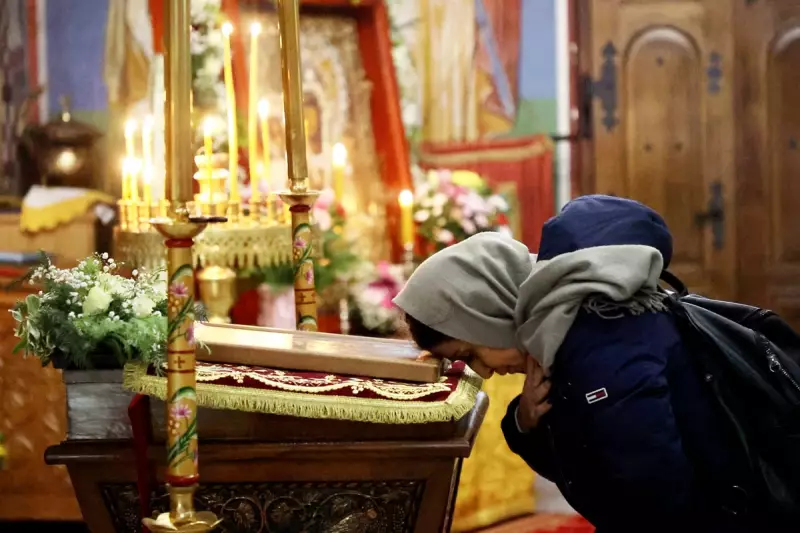
Serbian Orthodox Christians in Birmingham have celebrated their Christmas Day, gathering at a unique church described as a 'hidden gem' within the city. The festive liturgy for the Nativity of Christ took place on Wednesday, January 7, 2026, at the Serbian Orthodox Church of the Holy Prince Lazar in Bournville.
A Church Built by Refugees
The Lazarica Church holds a special place as the first purpose-built Serbian Orthodox church in the United Kingdom. Its story begins after the Second World War, when it was constructed to serve political refugees from the former Yugoslavia. The land was offered by the Cadbury family to the late Father Milenko Zebić, with the Bournville Village Trust assisting in the building's completion in 1968.
The connection between Serbs and Bournville dates back even further. Following World War One, Dame Elizabeth Cadbury sponsored thirteen Serbian refugee children, forging a lasting bond with the iconic village.

A Slice of Serbian Heritage
More than just a place of worship, the church is a profound piece of cultural heritage. It was decorated in a 14th-century Byzantine style using materials specially brought from Yugoslavia. This includes the marble for the floors and walls, sandstone columns, walnut furniture overlaid with beaten copper, and the candelabra.
The walls and ceiling are adorned with stunning al-secco paintings by the Serbian artist Dušan Mihajlović. These works are copies of the best-known medieval frescoes found in Serbia, creating a breathtaking interior that transports worshippers.
The church is dedicated to the Holy Prince Lazar of Kosovo, whose relics are said to lie within its foundations.
A Legacy of Faith and Community
A church spokesperson reflected on Lazarica's deep significance, stating it is "evidence and a reminder of the strength and power of faith." They highlighted the journey of the post-war community, who "lost all their earthly possessions, their friends, family, their homeland and their youth, [but] brought with them their faith."
"This church is their legacy," the spokesperson affirmed. The celebration on January 7 follows the original Julian calendar, which is observed by many Orthodox Christian communities around the world, marking a distinct and vibrant part of Birmingham's multicultural tapestry.