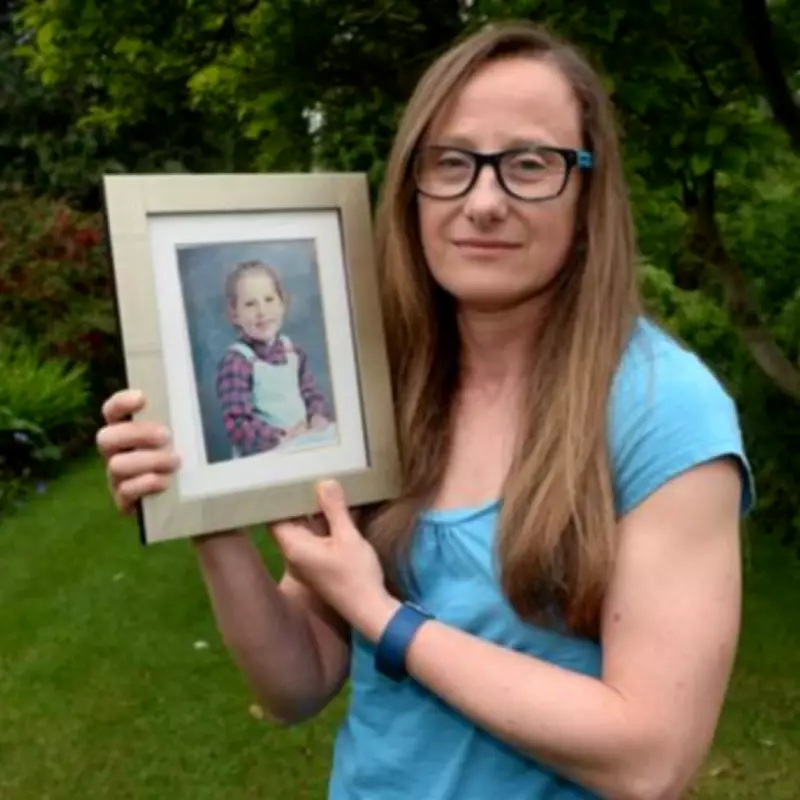
Birmingham Father's Heartbreaking Struggle After Daughter's Death
The tragic story of a Birmingham family has been brought to light through a recent Channel 4 drama, revealing the devastating long-term consequences of a holiday tragedy.
A Family Holiday Turns to Tragedy
In 1999, the Preen family from Rednal, Birmingham, traveled to Dawlish in Devon for what should have been a joyful beach holiday. Their eight-year-old daughter Heather fell ill with what was later identified as a lethal strain of E. coli infection. Despite medical intervention, her life support was turned off just twelve days later, leaving her family shattered.
While the exact source of the bacteria was never definitively proven, experts and campaigners strongly suspect it came from the beach where untreated sewage was being discharged by South West Water. The infection caused hemolytic uremic syndrome (HUS), a condition for which there remains no effective treatment even twenty-seven years later.

A Father's Unbearable Grief
Heather's mother, Julie Preen, channeled her grief into campaigning for water safety reforms, determined to prevent similar tragedies. However, her husband Mark never recovered from the loss of his younger daughter. Seventeen years after Heather's death, Mark tragically took his own life.
The recent Channel 4 drama Dirty Business portrayed the family's story, including Mark's struggle with the aftermath. Julie, who had separated from Mark before his death, found watching the dramatization both distressing and enlightening.
New Understanding Through Drama
Julie revealed that speaking with actor Tom McKay, who portrayed Mark in the production, helped her understand her late husband's experience more deeply. "I was very tunnel-visioned," she admitted. "I needed to make sure this didn't happen again. I had to understand what the hell had happened."
A particularly poignant moment came when watching scenes depicting Mark's difficult experience during the inquest into Heather's death. Julie realized how the aggressive questioning might have affected him. "If I'd have been in that dock and they'd have spoken to me and questioned me like that, I don't know if I could have coped either," she said. "No wonder he went inwards. No wonder he just didn't cope."
Campaigning for Change
Julie, now 58, has never sought financial compensation but remains dedicated to ensuring such tragedies don't recur. The coroner's inquest recommended that sewage discharged near Dawlish Warren undergo full tertiary treatment and that clear signage be installed to alert the public about sewage outlets and release schedules.
Julie believes these recommendations have not been properly implemented. "What I'm calling for now is that those rulings, they were Heather's rulings, are enforced," she stated. "Although it's 27 years on, it's never too late to make sure those recommendations are in place."
She expressed dismay at the continued discharge of raw sewage into British waters, citing work by unpaid investigators featured in the drama. "It seems to me the water companies are happy with the risk," she said. "I can't believe public health is so low on the agenda."
A Mother's Continuing Mission
Julie describes channeling the energy of her vibrant daughter, whom she calls "the nutter in the family." She feels Heather's presence in her campaigning work. "It's as if Heather's looking down and sprinkling dust on this," she shared. "Every single step of the way it's like she is with me and making things happen from above."
For Julie, keeping Heather's memory alive is crucial. "It's so wonderful to hear Heather's name being said, it means so much to me," she said. "She's not forgotten. That's the thing. She's not forgotten."

Water Company Response
South West Water responded to the renewed attention on the case, stating: "The loss of a child is devastating and we recognise the lasting impact this has had on those closest to her." The company noted that extensive investigations at the time found no definitive source of infection and that wastewater infrastructure has significantly improved since the late 1990s.
They emphasized that E. coli O157 is commonly carried by animals and that their specific strain was not identified in sewer samples taken during the investigation. The company maintains that their focus remains on protecting public health and improving environmental performance.