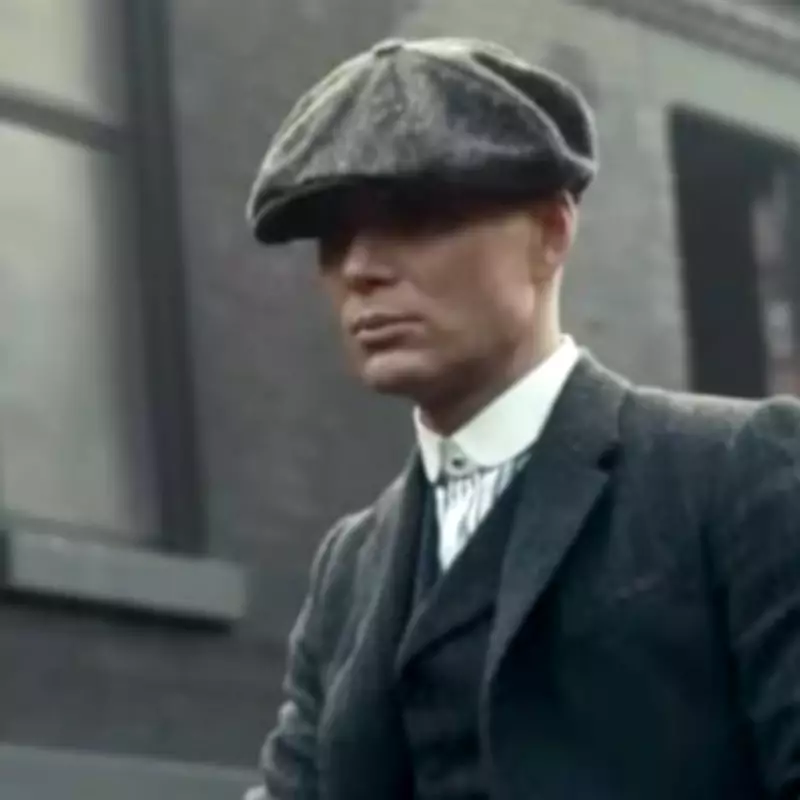
Was Birmingham More Dangerous in the Peaky Blinders Era?
The new Peaky Blinders movie vividly portrays the bloodshed on Birmingham's streets during the late 19th and early 20th centuries. This cinematic depiction raises a crucial question: when was Birmingham more dangerous—during the Peaky Blinders years or in modern times?
Historical Crime Data Reveals Surprising Patterns
According to Brummie historian Carl Chinn, who has conducted extensive research and is a relative of a Peaky Blinder, you were actually more likely to experience violence at the turn of the 19th century than today. However, Chinn emphasizes that this conclusion heavily depends on the quality of historical data, which has significantly improved over time.
Chinn explains that gangs were a constant presence on street corners, creating an atmosphere of daily intimidation. He recounts a specific incident where the Whitehouse Street Gang brutally assaulted a young woman simply for speaking back to them, illustrating how common such violence was.

The Nature of Violence Has Evolved
While physical assaults with belts, metal coshes, bricks, and occasional knives were prevalent in the past, modern Birmingham faces additional challenges with gun crime alongside knife violence. Chinn stresses the importance of addressing these contemporary issues while recognizing that many residents still fear violence today.
Statistical comparisons between 1898 and 2021 show that murder rates per capita were actually lower during the Peaky Blinders era, with one murder per 96,000 people compared to one per 55,000 in recent years. Similarly, wounding and attempted murder rates appear lower historically, though Chinn cautions that record-keeping improvements affect these comparisons.
Social Conditions and Poverty Remain Critical Factors
Chinn expresses deep concern that while absolute poverty has declined since Victorian times, relative poverty and hardship persist in Birmingham. He points to infant mortality rates from 1908, where babies in poor areas like Floodgate Street died at three times the rate of those in affluent Edgbaston—a disparity he claims remains just as wide today.
"I am deeply ashamed that 50 percent of our babies live in poverty," Chinn states. "So many of our neighborhoods are deprived—and that does feed gangsterism. Being poor doesn't make you a criminal, but some men see criminality as a way to escape and gain power in their communities."
The Role of Youth Activities in Reducing Gang Culture
Chinn draws parallels between Victorian solutions and modern needs, highlighting how youth clubs, boxing, football, and cinema helped diminish gang culture historically. He expresses frustration that Birmingham has cut youth centers and libraries in deprived neighborhoods, noting that young people become the biggest victims of such austerity measures.
The historian observes that football's emergence in Birmingham during the 1870s—with Aston Villa and Birmingham City forming—gradually provided alternatives to gang life. As participation sports grew, young men increasingly chose football over street gangs, though this transformation took decades to manifest fully.
Chinn's comprehensive analysis appears in his work Peaky Blinders - The Real Gangs and Gangsters, which explores the true stories behind Britain's most notorious street gangs, including police murders and political affiliations. His research underscores that while Birmingham may be statistically safer today in some respects, underlying social inequalities continue to fuel criminal behavior and community challenges.