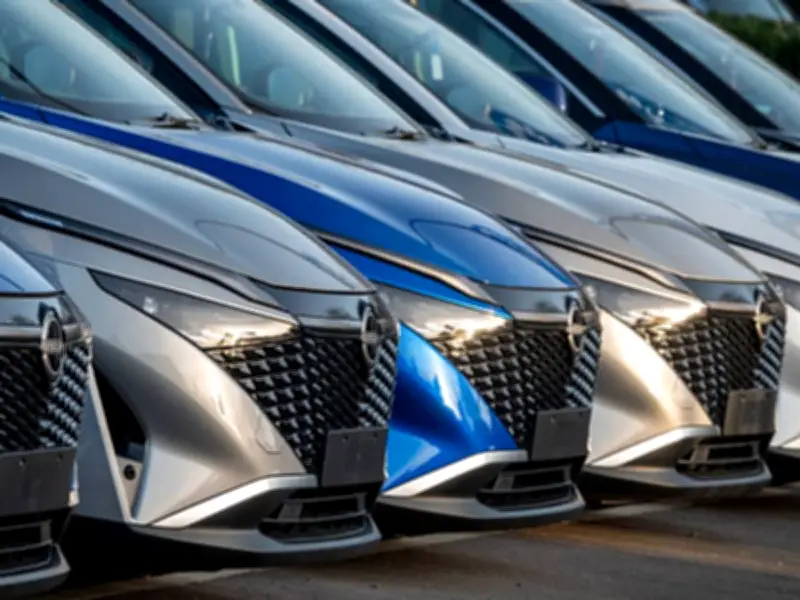
SUV buyers are reportedly undeterred by warnings about risks to pedestrians, according to a new study. Motorists in 4x4s and SUVs are unlikely to be swayed from purchasing such vehicles despite expert warnings about safety hazards for pedestrians.
Study Findings on SUV Driver Behavior
Swansea University found that drivers were only 3.7 percentage points less likely to swap SUVs for safer vehicles after being shown safety warnings. The Guardian reports that 95% of people who expressed a desire to buy an SUV stuck with their decision, even after learning about the risks.
Increased Risk of Fatal Injury
Research conducted last year by the London School of Hygiene & Tropical Medicine (LSHTM) and Imperial College London analyzed data from over 680,000 real-world collisions spanning the past 35 years. The findings revealed that being hit by an SUV or light truck vehicle (LTV) increases the odds of fatal injury by 44% for people of all ages. The risk is even more alarming for children, who are 82% more likely to die in such crashes compared to being struck by a passenger car. For children under the age of 10, the likelihood of death rises by 130%.

Expert Commentary
Prof Ian Walker, an environmental psychologist at Swansea University and one of the study's authors, stated: "Buying whatever vehicle we like, and driving it wherever and whenever we please without having to think about the consequences for other people, has become normalised and ingrained across our society over decades. As such, it's not surprising there's a growing body of evidence that says asking or encouraging people to drive differently doesn't work, and that stronger interventions will be needed if governments want to get serious about the issue. This almost certainly includes having a more honest conversation about how driving, no matter how useful to the person doing it, imposes harms on to other people."
Elsa Robinson, an MSc Public Health student at LSHTM, added last year: "These larger vehicles are particularly dangerous for children, especially young children. Children are shorter in height and more vulnerable to being hit in critical areas such as the head or chest by a tall car's front end."