Birmingham's Legacy of Innovation
Birmingham, often hailed as the workshop of the world, has a rich history of innovation that has shaped modern life. From the Industrial Revolution to contemporary advancements, the city's inventors and engineers have created devices and processes that transformed industries and daily living. Here are 12 amazing inventions from Birmingham that changed the world.
The Steam Engine
While James Watt is often credited with the steam engine, it was Birmingham's Matthew Boulton who partnered with Watt to manufacture and market the engine, making it commercially viable. Their partnership in the Soho Manufactory led to the widespread use of steam power, driving the Industrial Revolution.
The Modern Bicycle
In 1885, John Kemp Starley from Birmingham invented the Rover Safety Bicycle, which featured a chain-driven rear wheel and equal-sized wheels. This design became the template for modern bicycles, making cycling safer and more accessible.
Plastic
Alexander Parkes, born in Birmingham, invented Parkesine in 1856, the first man-made plastic. This material paved the way for countless applications, from household items to medical devices, revolutionizing manufacturing.
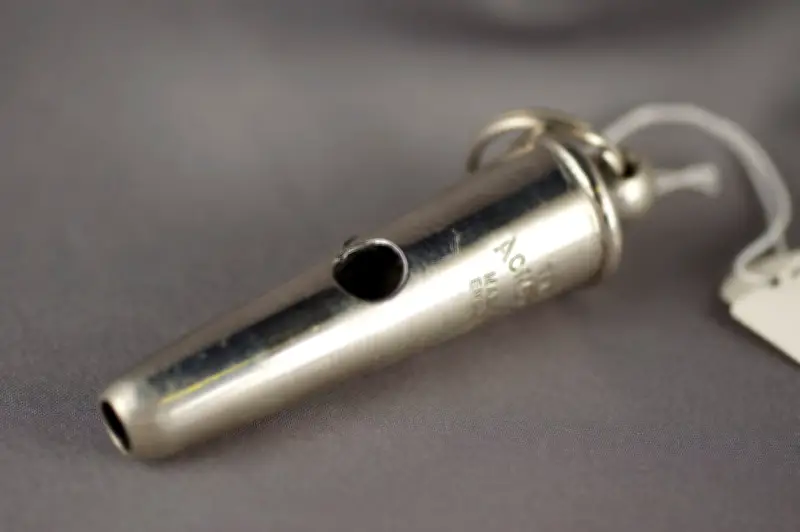
The Whistle
Joseph Hudson, a Birmingham toolmaker, invented the referee whistle in 1884. His design, used in sports and law enforcement, became a standard tool for signaling and safety.
The Pneumatic Tyre
John Boyd Dunlop, a Scottish-born veterinarian living in Birmingham, invented the pneumatic tyre in 1888. Though initially for bicycles, it became essential for cars, improving comfort and performance.
The Electric Kettle
In 1893, the Crompton Company in Birmingham produced one of the first electric kettles. However, it was Arthur Large, a Birmingham engineer, who patented the automatic electric kettle in 1955, adding a safety thermostat.
The Spinning Jenny
James Hargreaves, who worked in Birmingham, invented the Spinning Jenny in 1764. This multi-spindle spinning frame revolutionized the textile industry by increasing yarn production.
The Gas Lighting
William Murdoch, a Scottish engineer working in Birmingham, developed gas lighting in the 1790s. His system illuminated homes and streets, changing urban life and safety.
The Battery
John Frederic Daniell, a Birmingham-born chemist, invented the Daniell cell in 1836. This early battery provided a steady current and was crucial for telegraphy and early electrical experiments.
The Sewing Machine
Thomas Saint, a Birmingham cabinetmaker, patented the first design for a sewing machine in 1790. Though not built, his concept influenced later inventors like Singer.
The Pacemaker
Dr. Albert Hyman, born in Birmingham, developed the first artificial pacemaker in 1932. His device used electrical impulses to regulate heartbeats, saving countless lives.
The Chocolate Bar
In 1842, the Cadbury family in Birmingham began producing chocolate bars. Their innovations in chocolate-making, including the first milk chocolate bar in 1905, made chocolate affordable and popular worldwide.
These inventions highlight Birmingham's pivotal role in global innovation, demonstrating how the city's creativity and ingenuity have left an indelible mark on history.