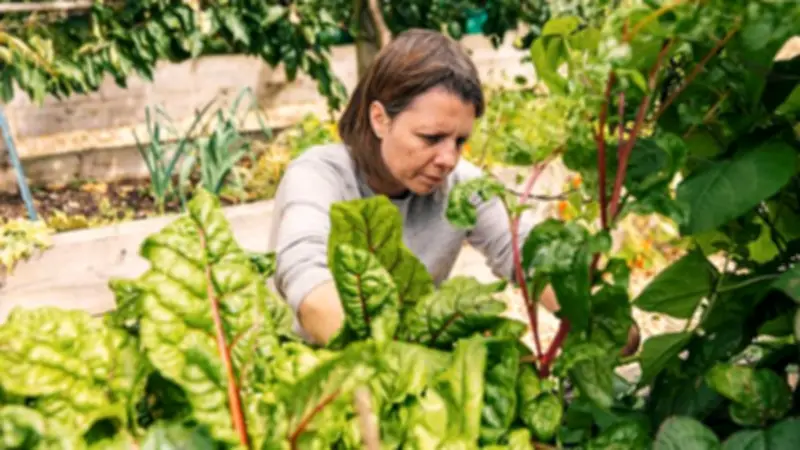
Many homeowners know the frustration of spending hours removing stubborn weeds, only to see them return days later. Their ability to root in tight paving gaps or among cultivated plants is remarkable. According to Gardener's World, without regular hoeing, hand-weeding, and thorough soil preparation, gardeners can quickly become overwhelmed.
For those seeking alternatives to glyphosate-based weedkillers, digging is an option but can be time-consuming and back-breaking. Fortunately, experts at Gardener's World recommend a simple solution using boiling water, an everyday item often poured down the sink. They say pouring boiling water is remarkably effective, especially the leftover water from cooking vegetables.
Boiling Water Method
The experts advise: "Boiling water can kill weeds. This is particularly useful on paths and paving where nearby plants aren't a concern. You can also use it on weed clusters in borders, taking care to avoid desired plants. Save energy by using water from boiling vegetables." This trick is ideal for paths, patios, block paving, driveway cracks, and isolated border clusters.

Lemon Juice
Pure lemon juice contains natural citric acid that dries out weeds until they shrivel. This natural approach suits stone paths, patio paving, pavements, and concrete driveways. Squeeze juice from five fresh lemons, or scale up for larger areas. For convenience, use bottled lemon juice from the supermarket.
Table Salt
Avoid salt in flowerbeds as it ruins soil, but it is efficient on hard surfaces if it cannot wash into lawns. The specialists warn: "Salt dehydrates plants and can be harmful in high doses. It kills other plants and affects soil pH. Use only on paving and paths, ensuring the solution doesn't leach into nearby soil." Dissolve one part table salt with two or three parts water before applying. Avoid rock salt, sea salt, or Epsom salts. For resilient weeds, increase the mixture strength.
Bicarb and Vinegar
Gardening experts note that local councils are testing white vinegar for urban weed control. However, vinegar works best when paired with bicarb, salt, or lemon juice. To clear young or annual weeds from paving, mix one part bicarb with two parts white vinegar, adding a splash of lemon juice if desired. The verdict: "A cheap option, but it doesn't smell pleasant."
These alternatives are non-selective and can harm desired plants if applied carelessly. Use caution to avoid damaging your garden plants.