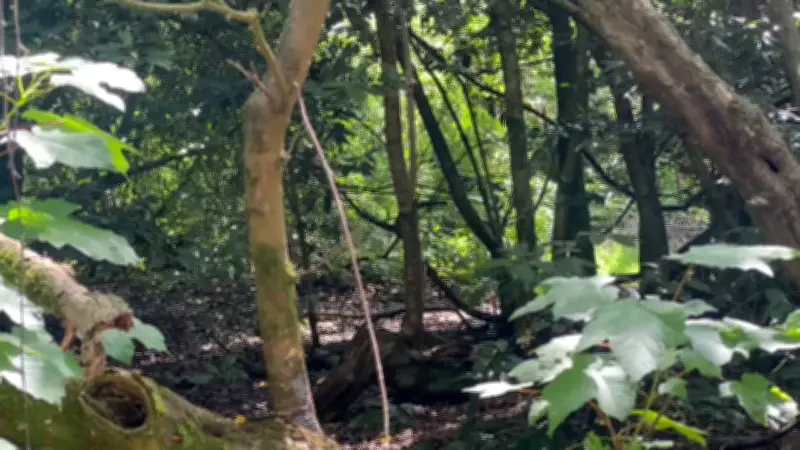
A rambler has raised concerns about a possible big cat roaming woodland near Solihull after discovering a deer carcass with unusual characteristics. The remains were found at Ravenshaw, approximately one mile from Solihull town centre, near the ruins of New Berry Hall.
Discovery and Initial Assessment
The rambler, who wishes to remain anonymous, told BirminghamLive: "I found some animal remains while out walking last Friday and they may indicate the presence of a large carnivore, possibly a big cat, in Solihull." The carcass belonged to an adult muntjac doe and had been entirely consumed. He noted that the hide appeared to have been peeled off, the ribcage was intact, and the head and limbs remained attached to the body.
Traits of Big Cat Kills
The rambler explained that the clinical appearance of the carcass and peeled hide are known traits of big cat kills. He said: "Because there's no native carnivore that preys on adult muntjac deer and foxes will only take very small fawns. This suggests that whatever killed and consumed it may have been a large cat." He added that since the carcass is intact, the possibility of scavengers like foxes or badgers consuming an already dead deer is minimal, as remains would normally be scattered.

Expert Opinion
The rambler sent photographs of the carcass to a well-known big cat researcher, who believes the remains indicate "potential cat consumption." There is a history of alleged big cat sightings around north Warwickshire, including Coventry, dating back to the 1990s. This would likely be the first time such activity has been reported near Solihull town centre.
Alternative Explanation
However, the rambler conceded that he was later told the deer could have been eaten by foxes, with a den located not far from where he found the carcass. Despite this, he maintains that the evidence points to a larger predator.