State pensioners are set to receive two payments in September 2026, a calendar quirk that results in five Tuesdays and five Wednesdays in the month. The double payment applies to retirees whose National Insurance number ends in 40-59 (Wednesday paydays) or 60-79 (Tuesday paydays).
Those who retired after April 2016, including men born in 1951 or later and women born in 1953 or later, and who receive the Department for Work and Pensions (DWP) state pension, could get two £965 payments. The first payment is scheduled for Tuesday, September 1 and Wednesday, September 2, with the fifth Tuesday and Wednesday falling on September 29 and September 30 respectively.
Eligibility and National Insurance Requirements
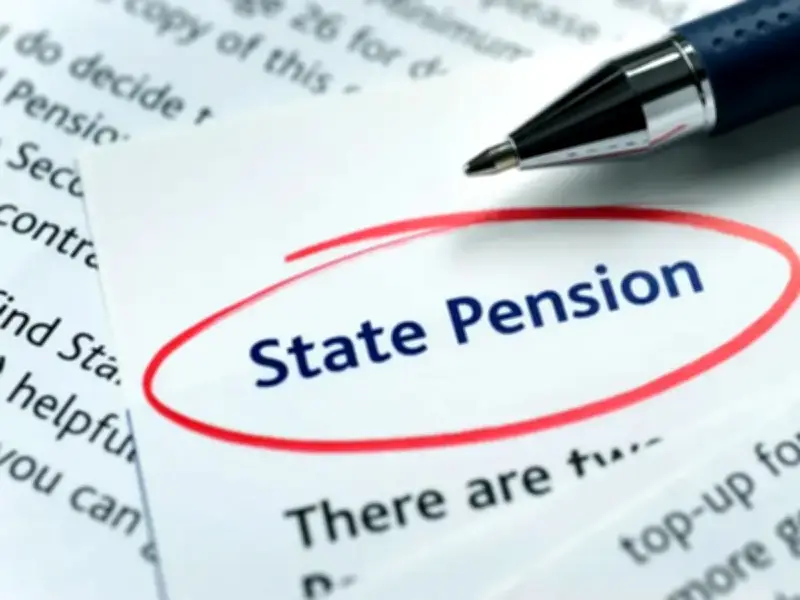
To qualify for the State Pension, individuals must have reached State Pension age and have at least 10 years of National Insurance (NI) contributions. For the full State Pension, 35 years of NI contributions are required. Those who have never worked or paid NI may still be eligible if they have received certain state benefits, such as carer's allowance or Universal Credit.

For the 2026/27 tax year, those entitled to the maximum new State Pension will receive £241.30 per week, based on 35 years of full NI contributions and/or NI credits. The basic State Pension increases each year by at least 2.5%, though it could be higher if inflation or average earnings growth exceeds that rate. Retirees living abroad may not receive these annual increases and should verify their eligibility.
Impact of Rising State Pension Age
Royal London, a financial services company, explained the rationale behind the rising State Pension age: "The State Pension age is rising as the population is growing and people are living longer. This means that it's becoming very costly for the government to maintain the State Pension."
"Now that people are living longer, the belief is that we should be able to work longer before receiving the State Pension," the company added. "If we want to retire early, we'll need to make sure we have enough savings, private pension or workplace pension savings to bridge the gap between your last salary payment and your first State Pension payment, which could be many years."
For pensioners expecting the double payment, the September schedule means two separate deposits, each up to £965, depending on their individual entitlement. The exact amount varies based on NI contribution history and whether the individual receives the new State Pension or the basic State Pension.