The arrival of warmer months offers a chance to give your cardiovascular system some extra care. Making your physical wellbeing a priority does not require a massive lifestyle overhaul; small everyday changes can yield the greatest benefits.
Longer daylight hours and an abundance of fresh seasonal produce make it simpler than ever to form positive new habits. These simple adjustments can greatly improve both your long-term wellness and your daily energy levels. Camilla Foster spoke to Emily McGrath, senior cardiac nurse at the British Heart Foundation (BHF), who revealed six straightforward ways to improve your heart health this summer. Her expert guidance focuses on realistic choices that can seamlessly fit into your sunny routine.
Find an activity that you enjoy
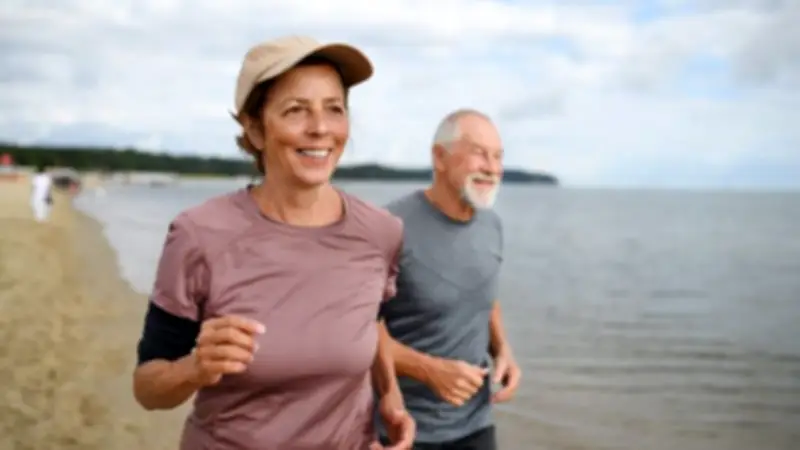
The bright weather creates an ideal environment to get your body moving a little more. Taking regular opportunities to stay active plays a massive role in reducing common cardiovascular risks.

"Exercise is really important because it helps lower cholesterol and blood pressure levels, which are risk factors of cardiovascular disease. Additionally, your heart is a muscle, so you want it to be working and being active helps increase your heart rate and helps make your heart stronger. Exercise also helps people control their weight, which is good as excess weight is another risk factor," explains McGrath.
Official health guidelines suggest aiming for 150 minutes of moderate physical activity each week. However, the specialist stresses that choosing something genuinely fun is the real secret to staying consistent.
"Our recent survey found that focusing on having fun and enjoying yourself could be the motivation so many of us need to fall in love with exercise and movement. With the gloom of winter finally over, now is the perfect time to seek some joy and make movement something you love and look forward to. You could go for a bike ride or enjoy a walk with friends," says McGrath.
Make healthy food swaps
Eating a nutritious, well-rounded diet is one of the best ways to protect your long-term wellness. Paying attention to what is on your plate can prevent many common health complications later in life.
"It's important to make sure that you don't have too much sugar, salt or fat, because these things contribute to high cholesterol levels, high blood pressure, weight gain and diabetes, which all contribute to cardiovascular risk. Eating a balanced diet instead helps you get all the nutrients, vitamins, minerals and positive stuff that your body needs to function properly, which includes your heart as well," explains the cardiac nurse.
Altering just a few daily eating habits can yield remarkable benefits for your body. Opting for lighter meals can also help you feel refreshed during warmer afternoons.
"Think about the little changes that you could make on a day-to-day basis," recommends McGrath. "For example, it could be swapping out sandwiches for a salad that contains healthy things like nuts, chickpeas and lentils, or instead of eating ice cream, you could have an ice lolly that is made from fruit juice." The BHF website features a variety of seasonal meal ideas for anyone seeking a bit of culinary inspiration.
Stay hydrated
Drinking plenty of fluids is essential, though it remains incredibly easy to overlook during a busy day. Your body requires extra fluid support when the local weather begins to heat up.
"Make sure that you are drinking enough water because it's so easy to forget to do that. When temperatures go up, it's really important to drink more water, especially when you exercise, because you're sweating more and losing more water," says McGrath.
Failing to consume enough liquids can quickly affect your circulation. This can leave you feeling unexpectedly unwell if you spend too much time in the sunshine.
"In the heat, your blood vessels dilate, which lowers your blood pressure, and dehydration can also lead to a drop in blood pressure. This can cause people to feel very faint and dizzy, and can hit people quite suddenly. Therefore, it's really important for your body to have lots of water on board."

Fortunately, meeting your daily fluid goals can be done through various refreshing options. Plenty of summer fruits and alternative drinks can help keep your fluid levels topped up. "Water is great, but even squash and milk are good too," says McGrath.
Check your blood pressure
Monitoring your numbers is highly recommended since countless people live with issues they are completely unaware of. Unmanaged conditions can silently place a heavy burden on your entire system over time.
"We always encourage people to check their blood pressure because we know that so many people are living with undiagnosed high blood pressure. It often displays with no symptoms but puts more strain on the heart and increases the risk of cardiovascular disease, heart attacks and stroke," says McGrath.
You can easily test your levels using a standard home kit. Alternatively, local pharmacies and medical centres offer quick testing services.
Medical guidelines state that high readings are typically 140/90 or higher when measured by a professional. Home monitors usually show a slightly lower threshold of 135/85. "I would always encourage people to know what their levels are, so that if they are high, you can have a conversation with your doctor about what changes you can make to lower it," says the cardiac nurse.
Keep cool
Vulnerable groups need to be particularly mindful of rising temperatures during hot spells. Managing internal body heat becomes much more difficult for some people when the weather is at its peak.
"It's really important for people who have existing cardiovascular disease, as well as the elderly and children, to stay cool because they are less able to moderate their blood pressure and are slightly more vulnerable to the risk of heat stroke," says McGrath.
Simple adjustments to your daily routine can help you remain comfortable indoors and out. Planning your day around the sun can protect you from overexertion. "Make sure you're wearing loose-fitting clothing and try to avoid the peak hours of sun in the middle of the day. Also, make sure your home stays cool by keeping the curtains shut."
Take part in a BHF fundraising event
The charity organises a wide variety of enjoyable community activities throughout the year. These events range from gentle group challenges to more adventurous outdoor experiences.
"We have a whole range of different fundraising events on our website. There's big walks, treks, bike rides and even pier-to-pier swimming challenges. It's a really good thing for people to do because taking part helps raise funds for life-saving research, but is also a great way to have fun and enjoy exercise," says McGrath.
Details on how to get involved can be found directly on the British Heart Foundation website.