New research has uncovered a concerning surge in the number of children and teenagers in Dudley requiring professional help for drug and alcohol abuse.
The figures, compiled by the BBC's Shared Data Unit, show that 90 under-18s were in treatment during the 2024/25 period. This marks a significant jump from the 70 young people recorded in the previous year.
Alarming Age Profile and National Trend
Perhaps most shocking is the age of those seeking help. More than half of the children in treatment, some 56 percent, were aged 15 or younger. A further 11 percent were under the age of 14.
This local increase reflects a wider national crisis. Across the UK, over 16,000 under-18s needed treatment in 2024/25, representing a 13 percent rise on the year before.
Cannabis Dominates, Ketamine Use Grows
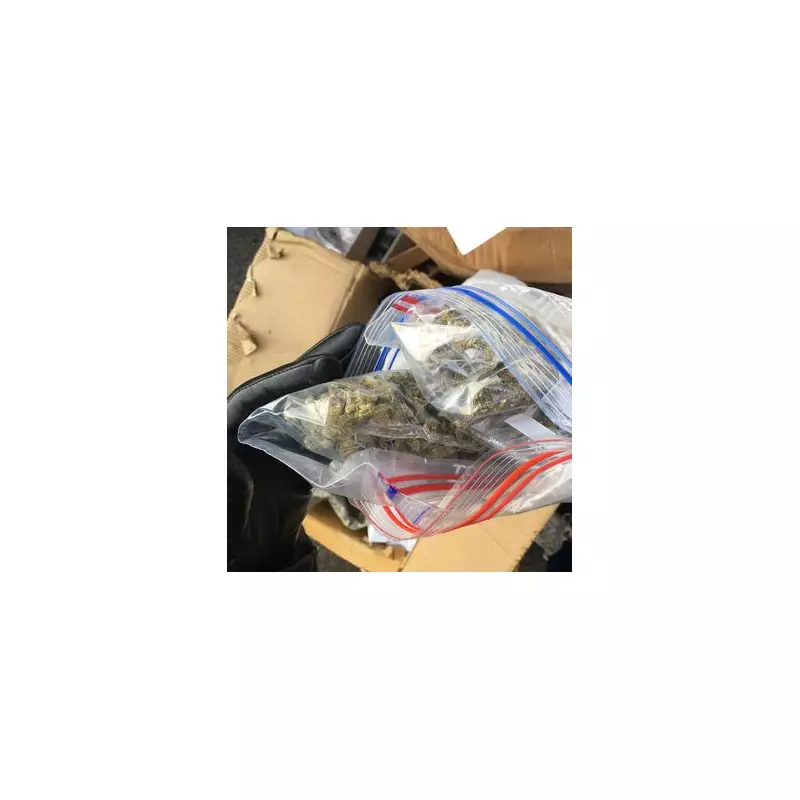
In Dudley, cannabis remains the most problematic substance, leading to 70 young people requiring treatment. However, experts highlight a growing issue with ketamine, for which 15 children received help.
Other substances causing issues included nicotine, affecting 15 children, and ecstasy, linked to five cases. The data also reveals a tangible impact on education, with 92 school suspensions and 3 exclusions directly related to drugs or alcohol in the borough's secondary schools during the same period.
Barriers to Timely Help and Funding Concerns
Grace Willsher, regional head of young person service delivery at the support service WithYou, warned that a 'zero tolerance' approach in many schools can prevent early intervention. "If a young person was found to have cannabis on them, they would immediately be excluded rather than have someone sit down with them," she said.
Dr Wendy Taylor from the Local Government Association stressed that community-based care is often best but is under pressure. Public health budgets have been cut by £1 billion since 2015, putting vital services at risk despite a recent funding boost.
A Department of Health and Social Care spokesperson pointed to future funding, stating that from 2026, over £13 billion is allocated across three years, with £3.4 billion ringfenced specifically for drug and alcohol treatment and recovery services.