US-Iran Peace Negotiations Break Down After 21 Hours of Intensive Talks
United States Vice President JD Vance has delivered what he termed "bad news" following the collapse of peace negotiations with Iran after a marathon twenty-one-hour session. The discussions, aimed at establishing a lasting resolution to ongoing conflict, concluded without any agreement being reached between the two nations.
Nuclear Ambitions Identified as Core Stumbling Block
Vance explicitly pointed to Iran's nuclear ambitions as the fundamental barrier preventing a successful outcome. He stated that the American delegation had not witnessed a "fundamental commitment of will for the Iranians not to develop a nuclear weapon." This, he emphasized, remains the core objective of President Donald Trump's administration and the primary goal of these high-stakes negotiations.
Significant Disagreements and Disputed Issues
The talks, held in Islamabad, Pakistan's capital over the weekend, were reportedly fraught with numerous substantial disagreements. Insiders revealed that the Iranian and American delegations clashed on multiple fronts. Iranian media sources criticized what they described as "excessive demands" and "overreach" from Washington.
Key points of contention included:
- The status of the strategic Strait of Hormuz
- The unfreezing of substantial Iranian assets held internationally
- Fundamental differences regarding nuclear non-proliferation commitments
Vance Confirms Return Without Agreement
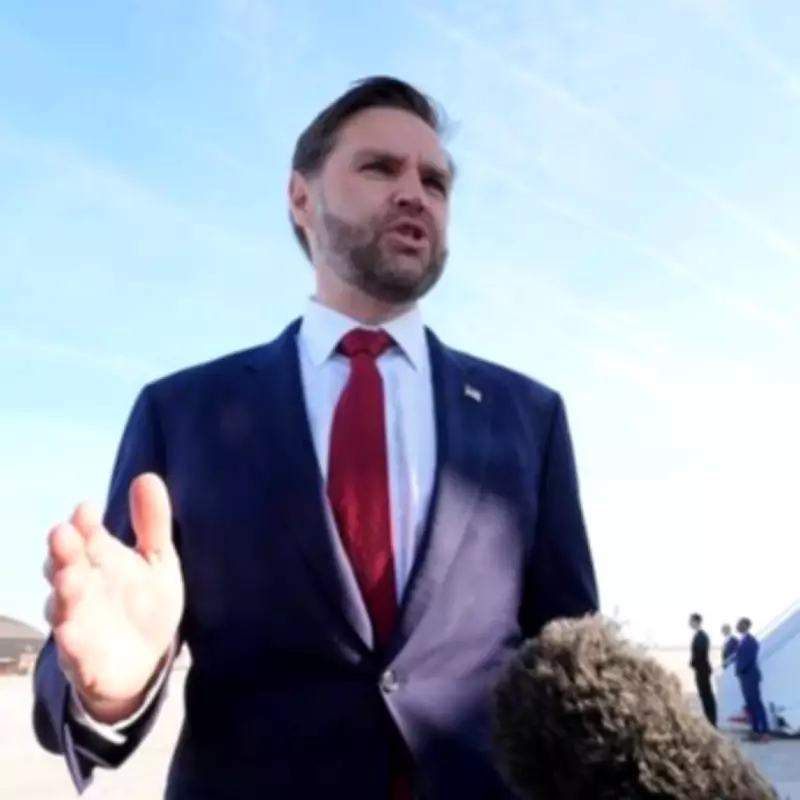
Following the conclusion of the unsuccessful talks, Vice President Vance confirmed his immediate return to the United States. "We go back to the United States having not come to an agreement," he told assembled reporters. He further clarified the American position, stating, "We've made very clear what our red lines are, what things we're willing to accommodate them on and what things we're not willing to accommodate them on. And we've made clear as we possibly could. And they have chosen not to accept our terms."
Trump Downplays Negotiation Significance
In a separate development, President Donald Trump addressed journalists outside the White House on Saturday, declaring a military victory against Iran and minimizing the importance of the ongoing ceasefire negotiations. "Regardless of what happens, we win," Trump asserted. He added, "Let's see what happens - maybe they make a deal, maybe they don't. It doesn't matter. From the standpoint of America, we win."
Background and Future Prospects
These intensive negotiations followed Tuesday's agreement on a fragile ceasefire, with both nations attempting to forge a durable peace settlement. However, considerable challenges persist as the United States and Iran remain deeply divided on crucial strategic matters. The failure of these talks underscores the significant diplomatic hurdles that must be overcome to achieve any meaningful resolution to the longstanding tensions between the two countries.