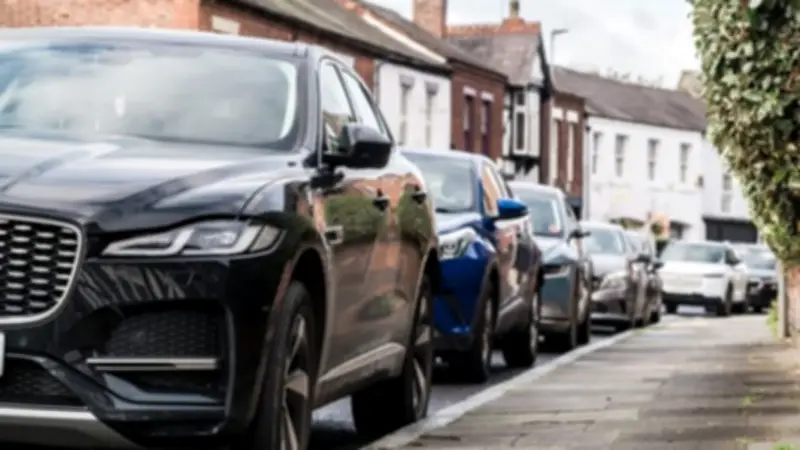
A study by Transport and Environment (T&E) warns that the trend toward larger cars is rapidly overcrowding streets not designed for them, potentially costing cities up to one in seven roadside parking spaces by 2040. The analysis found that since 2000, the average length of new cars has grown by 1.2 cm each year, while height, bonnet height, and width have risen by roughly 0.5 cm annually.
Impact on Parking Capacity
If this growth continues, on-street parking spaces in some cities could drop by 14% by 2040. For a city the size of London, that means 100,000 fewer parking spots. The researchers project that the popularity of large SUVs could also cause around 400 extra road deaths every year by 2040.
Expert Reactions
T&E's Anna Krajinska said: “Car manufacturers have spent decades pushing large expensive cars at the expense of smaller models. After 25 years of relentless growth, our streets are dominated by oversized SUVs that cities simply weren’t designed for. The result is a lose-lose: councils are forced to reshape streets around larger vehicles, sacrificing parking capacity, public space and safety in the process. This is a market failure. Without clear standards to limit car size and encourage right-sizing, carspreading will continue unchecked, and cities will keep paying the price.”
Oliver Lord of Clean Cities said: “Carspreading is fast becoming a public health crisis. The relentless increase in the size of cars is not just stealing public space, but also making our streets more dangerous.”
AA president Edmund King said: “The AA advice for drivers is to choose the safest vehicle for occupants and pedestrians which meets their needs, using EuroNCAP ratings. This may be a compact city car, a larger family people carrier or a sports car. Depending on design, some larger cars can be safer for pedestrians, as well as occupants, so it is too simplistic to assume larger cars are more dangerous.”
Mike Hawes, chief executive of the Society of Motor Manufacturers and Traders (SMMT), said: “Consumers ultimately influence vehicle design, with manufacturers responding to market preferences. Cars have, typically, increased in size over time to reflect those trends, but also the need to accommodate vastly increased safety technology that saves lives, and new technologies such as large battery packs to deliver the electric range drivers expect – essential for driving up EV uptake.”