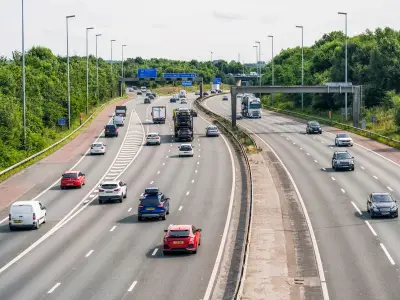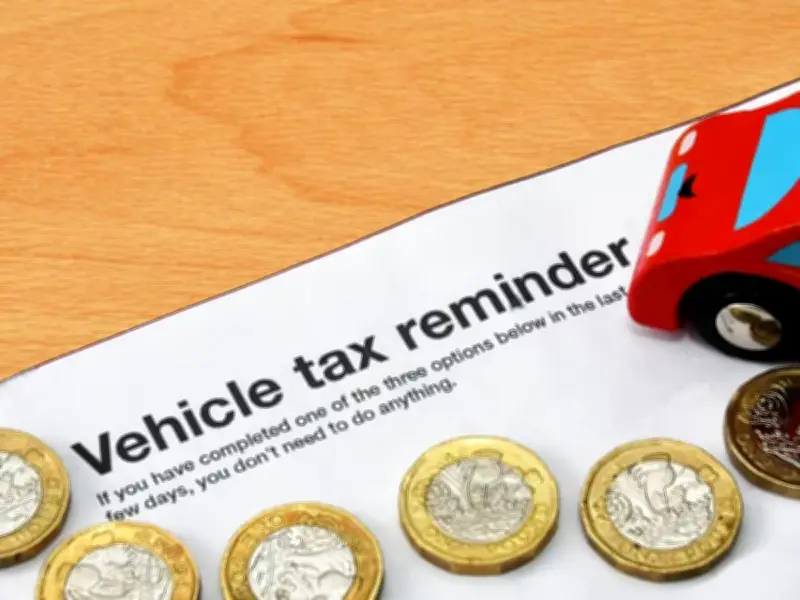
The Labour Party government's new pay-per-mile car tax scheme, known as eVED, has drawn criticism from experts who caution that the DVLA's computer systems may be incapable of processing automatic refunds for drivers.
New Tax System and Refund Challenges
Ben Nelmes, CEO of New AutoMotive, expressed concerns about the untested nature of the policy. He stated: "It is staggering that the DVLA's legacy computers are unable even to process a simple automatic refund when someone sells or scraps their car. That in itself should be a massive red flag for the incoming Government about the deliverability of this policy."
The eVED system, announced by Chancellor Rachel Reeves in last year's Budget, will come into force from April 2028. It imposes a tax of 3p per mile for fully electric vehicles (EVs) and 1.5p per mile for plug-in hybrids. The government claims the policy is designed to ensure EV and PHEV drivers contribute fairly to public finances as fuel duty revenues decline.
How the Scheme Works
Under eVED, motorists will estimate their annual mileage, pay an upfront charge based on that estimate (or spread payments across the year), and then submit their actual mileage at the end of the year. The DVLA will check mileage annually, typically during the MOT test. For new cars, checks will occur around the first and second registration anniversaries.
Some owners may seek refunds for unused mileage if they overestimate. However, the DVLA has acknowledged limitations: "The Government's consultation response sets out that, at launch, the scheme will prioritise carrying credits forward rather than introducing automatic refunds for every possible circumstance. Refunds will also be available in a number of specific situations, including where there has been an unexpected change in financial circumstances."
Expert Warnings and Future Details
Nelmes warned that the wider package of measures is "untested" and "risks becoming an albatross around the neck of the next Chancellor and Transport Secretary." He welcomed the government's decision to drop mileage checks for new vehicles but stressed that further issues remain.
The DVLA added that further details on refunds relating to changes of keeper and other vehicle lifecycle events will be announced later this year. The system is expected to affect all drivers, particularly those with EVs and plug-in hybrids, as the transition away from fuel duty continues.