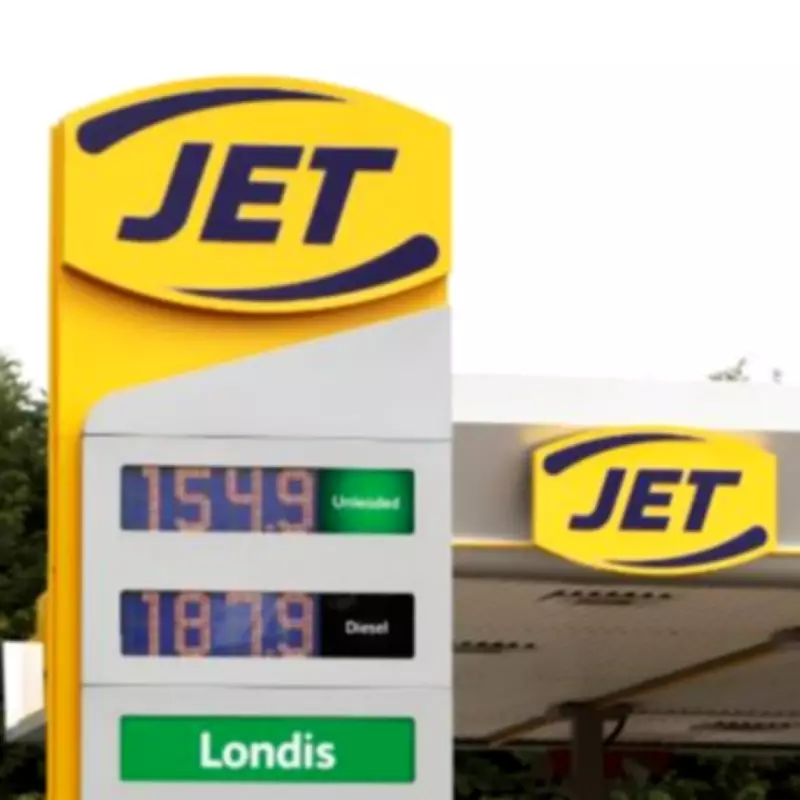
From Friday, a new rule that could save drivers £40 is being enforced at petrol stations across England. The Labour Party government's Fuel Finder Scheme enters full enforcement, requiring all forecourts to report fuel prices to a central database within 30 minutes of any change. This move powers platforms like Pumpwatch, designed to give drivers real-time visibility on the cheapest fuel nearby.
Despite the push for transparency, industry data showed that around one in four forecourts were still not fully compliant during the soft launch earlier this year. Today marks the first point at which penalties can be issued.
Expert Insights on the Scheme
A spokesperson from My Car Reg Check said: “Pumpwatch is a step in the right direction. It gives drivers far more visibility than they have ever had before, particularly when prices can vary dramatically within a few miles.” However, they cautioned that “transparency does not automatically mean fairness. There are still pricing patterns and behaviours that the system does not prevent, especially in high-demand or low-competition areas. Drivers should see this as a tool, not a guarantee of the cheapest possible fuel.”
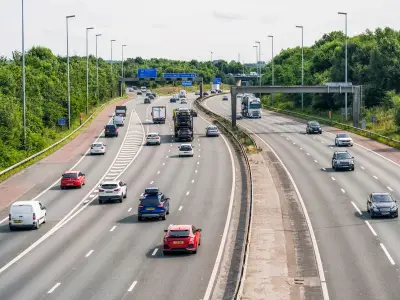
The spokesperson added: “Drivers who benefit most from Pumpwatch are the ones planning ahead. For a Bank Holiday journey, check prices before you leave, not when you are already on the motorway. The biggest price differences tend to appear between urban areas and motorway routes. It is often worth filling up before joining major roads, even if the price difference looks small. Over a full tank, those few pence per litre add up quickly.”
Government and Market Impact
The chancellor, as reported by BBC News, reckons the scheme could save households £40 a year by enabling them to find the cheapest petrol and diesel near them. The Competition and Markets Authority believes the Fuel Finder Scheme will “spur competition as fuel retailers compete for customers.”
“For drivers who already shop around, the difference may be minimal,” the My Car Reg Check spokesperson said. “But for those who typically fill up out of convenience, particularly at motorway services, the potential savings could be much higher. The key change is behavioural. The more drivers engage with the data, the more pressure it puts on pricing locally.”
“Today is less about instant savings and more about shifting control back towards drivers,” the spokesperson added. “We are likely to see the biggest impact over time, as both consumers and forecourts adapt to a much more transparent market.”