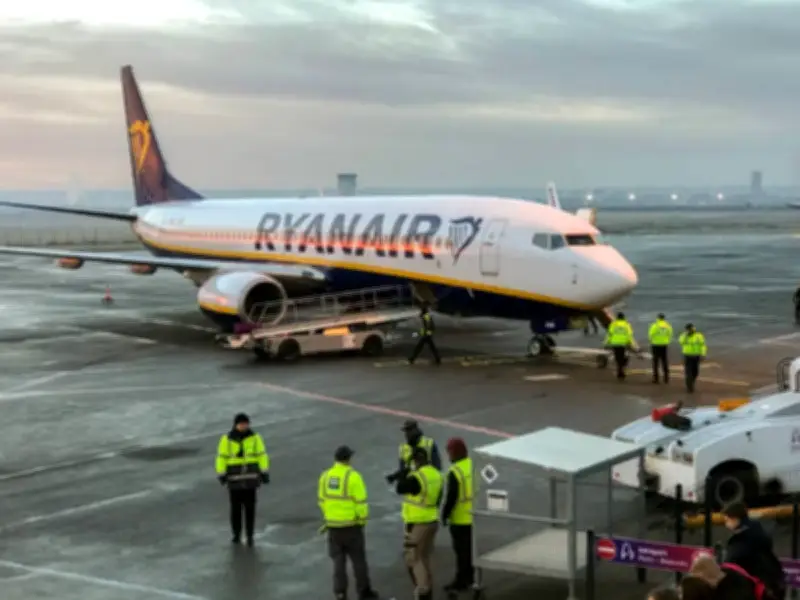
Ryanair has issued a warning to UK passengers flying to 16 European airports this summer, citing long queues caused by the rollout of the European Union's Entry and Exit System (EES). The budget airline, which operates from Birmingham Airport (BHX), warned that the new biometric border system is causing significant delays at popular holiday destinations.
Affected Airports
The affected airports include Tenerife South, Palma, Alicante, Malaga, Milan Bergamo, Krakow, Paris Beauvais, Lisbon, Lanzarote, Madrid, Milan Malpensa, Verona, Budapest, Berlin, Cologne, and Frankfurt Hahn. Ryanair rival carriers such as Jet2, TUI, Wizz Air, British Airways, and Easyjet are also expected to be impacted.
EES System Issues
EES, which requires non-EU passengers to scan their passports and provide fingerprints and photos at the border, was introduced in phases starting October 2025. Since April 2026, full registration has been mandatory. Ryanair's Chief Operations Officer, Neal McMahon, criticized the system, stating: “Families heading away for a well-earned summer holiday should be thinking about suitcases, suncream and sangria, not standing in passport queues for hours. The reality is that the EES system isn’t working properly and families are paying the price for a system that does not work months after launch. Passengers should not be the testing ground for unfinished border infrastructure.”
Government and Industry Response
UK Labour Party Transport Secretary Heidi Alexander commented after a meeting with EU officials: “We want everyone to have the summer holidays they deserve – and yesterday’s meeting shows everyone is pulling in the same direction. I was reassured that the EU commissioner for transport understood the concerns of holidaymakers and recognised the need for us to work together to make sure journeys are as seamless as possible during the busiest travel period of the year.”
Rafael Schvartzman, vice-president for Europe at the International Air Transport Association (IATA), warned that queue times could stretch to as much as six hours, adding to passenger frustration.