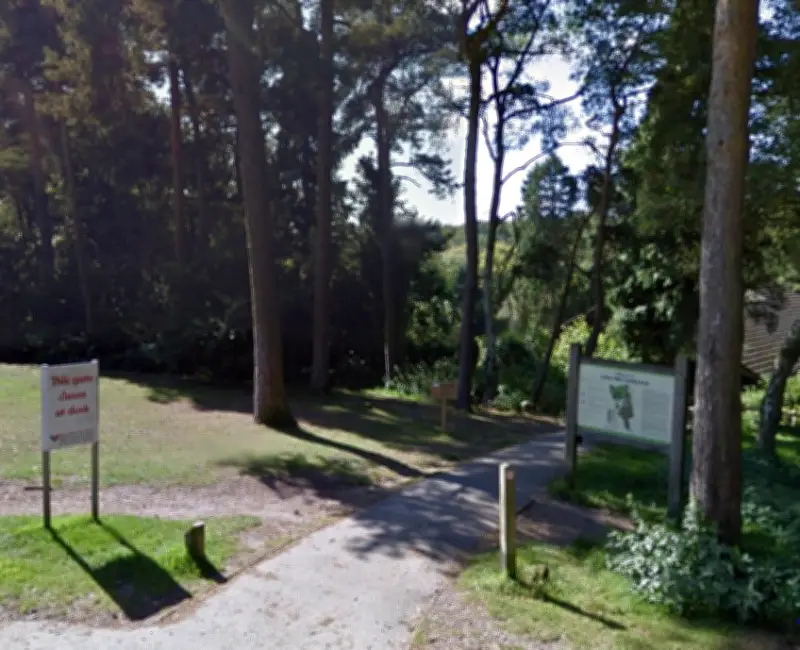
New parking charges are set to be introduced at several popular beauty spots across the West Midlands from April, in a move aimed at covering maintenance costs and managing visitor numbers. The charges will apply to car parks at sites including Clent Hills, Waseley Hills, and Lickey Hills, which are managed by the National Trust and the Woodland Trust.
Details of the New Charges
Under the new system, visitors will pay between £1.50 and £3 per hour, depending on the location. The charges will be in place from 8am to 6pm daily. Annual permits will also be available for regular visitors, costing £50 for the year. The fees are expected to generate significant revenue to help maintain the sites, which have seen increasing visitor numbers in recent years.
Reason for the Changes
According to the National Trust, the decision to introduce parking charges was made after careful consideration. A spokesperson said, "We have to balance the needs of our visitors with the responsibility of caring for these special places. The charges will help us invest in facilities, paths, and conservation work." The Woodland Trust echoed this, adding that the funds would support woodland management and biodiversity.
Impact on Visitors
Local residents and regular visitors have expressed mixed reactions. Some understand the need for funding, while others worry about the financial burden. One local said, "I visit Clent Hills almost every weekend with my family. An extra £3 each time adds up quickly." However, both trusts stress that the charges are comparable to other similar sites across the country.
Implementation Timeline
The new charges will come into effect from April 1st, with payment machines and contactless payment options available. The trusts have also announced that blue badge holders will continue to park for free. The move is part of a wider trend across the UK, where popular natural attractions are introducing fees to cope with rising maintenance costs and visitor numbers.
Future Plans
Both organizations have stated that the revenue will be ring-fenced for the specific sites, ensuring that the money is reinvested directly into the beauty spots. They also plan to monitor the impact on visitor numbers and adjust the charges if necessary. The introduction of parking charges is seen as a necessary step to preserve these green spaces for future generations.