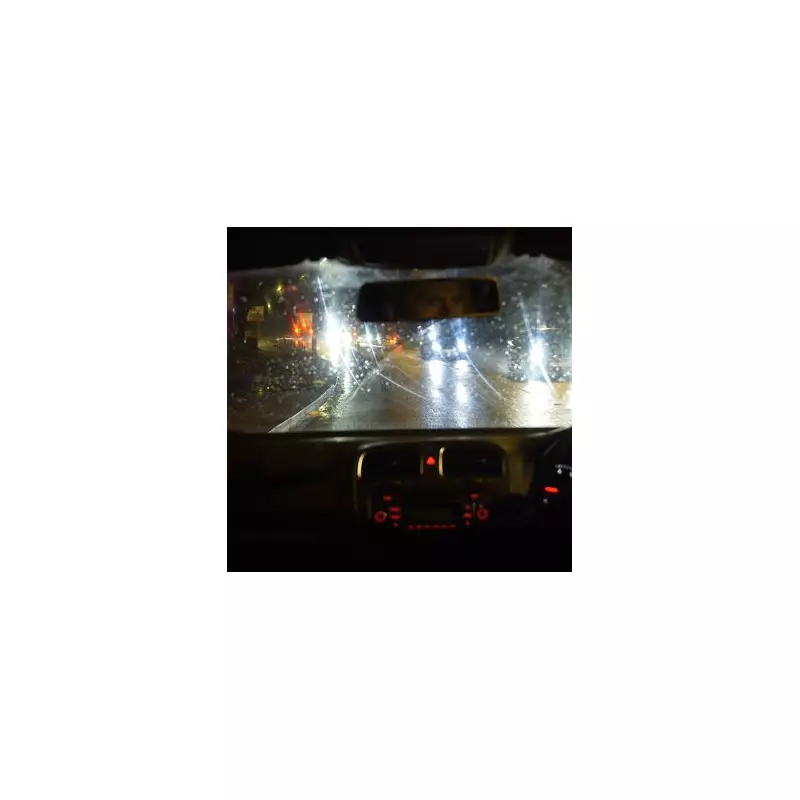
The RAC has issued urgent guidance for motorists who find themselves repeatedly blinded by oncoming headlights during night-time journeys. The motoring organisation warns that the widespread issue of headlight dazzle is intensifying across UK roads, prompting essential safety recommendations.
Why Headlight Dazzle Is Getting Worse
According to recent data analysed by the RAC, the problem of being blinded by intense headlights is on the rise. Rod Dennis, a Senior Policy Officer at the RAC, addressed the growing concern in a social media post, questioning why drivers are experiencing more glare than before.
He pinpointed several key factors behind the increase. Incorrect headlight alignment is a primary culprit, where a poorly aimed beam can scatter light directly into other drivers' eyes. The shift in vehicle technology is also significant, with the widespread adoption of bright, white full LED headlights replacing older, yellower halogen bulbs.

Furthermore, the use of illegal retrofit LED kits, easily purchased online but not approved for road use in the UK, creates dangerous levels of glare. The trend towards driving taller vehicles, like SUVs, also exacerbates the issue for those in lower cars, as the light source is positioned higher.
Practical Steps to Reduce Glare and Stay Safe
Both the RAC and the College of Optometists recommend practical measures drivers can take to protect themselves. First, ensure your windscreen is clean inside and out, as smudges can scatter light and worsen glare. Similarly, keep any glasses clean and ensure your prescription is up to date with regular eye tests.
When faced with bright oncoming lights, the RAC advises: "Keep your eyes open and briefly look towards the left-hand side of the road or the curb until the vehicle has passed." This technique helps maintain your road position while minimising discomfort.
Additionally, always adjust your rear-view mirror to its night-time setting to dim the reflection of headlights from behind. While many modern cars have auto-dimming mirrors, glare from wing mirrors can still be an issue. If you are temporarily dazzled, safely reduce your speed or stop until your vision fully recovers.
Government Action and Driver Demographics
The issue affects drivers of all ages, but the RAC's research indicates it is a particular concern for younger motorists under 35, who are more likely to report that most vehicle headlights are excessively bright.
In response to mounting complaints, an official inquiry is now underway. The Department for Transport has included plans in its new Road Safety Strategy to investigate vehicle design factors that may be contributing to increased headlamp glare, signalling potential future regulatory changes.