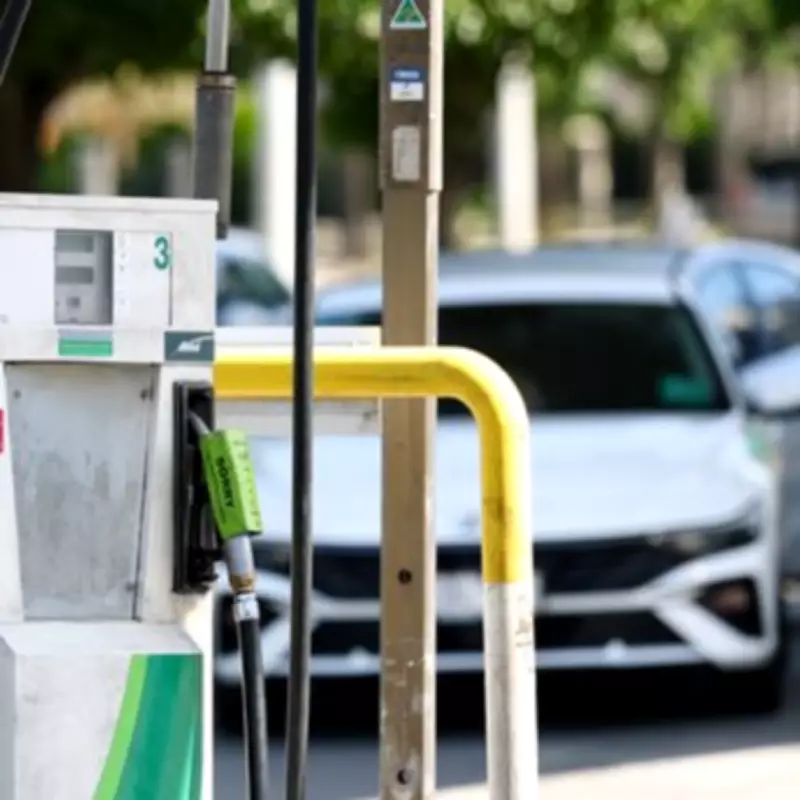
Fuel Prices Remain Highly Uncertain Despite Middle East Ceasefire Hopes
Petrol and diesel prices across the United Kingdom have experienced a continuous upward trajectory throughout the month of March, creating significant financial pressure for motorists. However, renewed optimism has emerged following reports of a two-week ceasefire in the Middle East, which could potentially lead to a reduction in costs at the pump.
The recent sharp increases are directly linked to the blockade of the crucial oil shipping route, the Strait of Hormuz. This disruption has severely impacted the flow of oil, driving wholesale prices higher and subsequently affecting retail fuel costs for consumers.
Expert Analysis and Current Price Levels
Simon Williams, Head of Policy at the RAC, provided a detailed breakdown of the current situation. "The average price of a litre of unleaded petrol is now at 157.71p," he stated. "This represents an increase of 25p, or 19%, since the conflict began. Meanwhile, diesel has surpassed the 190p mark, currently standing at 190.62p, which is a rise of 48p, or 34%, since February 28."
Both fuel types have now reached their most expensive levels since late 2022, underscoring the severity of the current price crisis for drivers and businesses reliant on road transport.
Ceasefire Impact and Continued Uncertainty
While the announcement of a conditional ceasefire has provided a glimmer of hope, potentially easing some global oil price pressures, the outlook remains fraught with uncertainty. Williams emphasized this point, noting that the situation for UK drivers is "highly uncertain."
"The best hope in the short term is that pump prices stop rising at the rate they have been and hopefully top out in the coming days," he explained. The stability of the ceasefire itself is a critical factor, alongside whether oil shipments can resume normal, unimpeded passage through the Strait of Hormuz. The longer-term impact on oil production across the Gulf region will also play a decisive role.
Williams clarified that a sustained period of lower oil prices—spanning several weeks, not merely a few days—is necessary to meaningfully reduce wholesale fuel costs. Therefore, drivers should not anticipate significantly cheaper fuel in the immediate future.
Advice for Consumers and Market Variations
There may be some minor, localized relief. Smaller independent forecourts that purchase fuel on a 'spot' basis might be quicker to pass on any wholesale price reductions to consumers. However, this is not guaranteed across the broader market.
The RAC continues to strongly advise motorists to shop around for fuel whenever possible. Utilizing free price comparison tools and apps, such as the myRAC app, can help drivers ensure they are securing the best available price each time they need to refuel.
In summary, while the Middle East ceasefire offers a potential pathway to easing the fuel price burden, the path forward is delicate and dependent on multiple geopolitical and logistical factors. Motorists are urged to stay informed and practice cost-conscious fueling habits during this period of economic volatility.